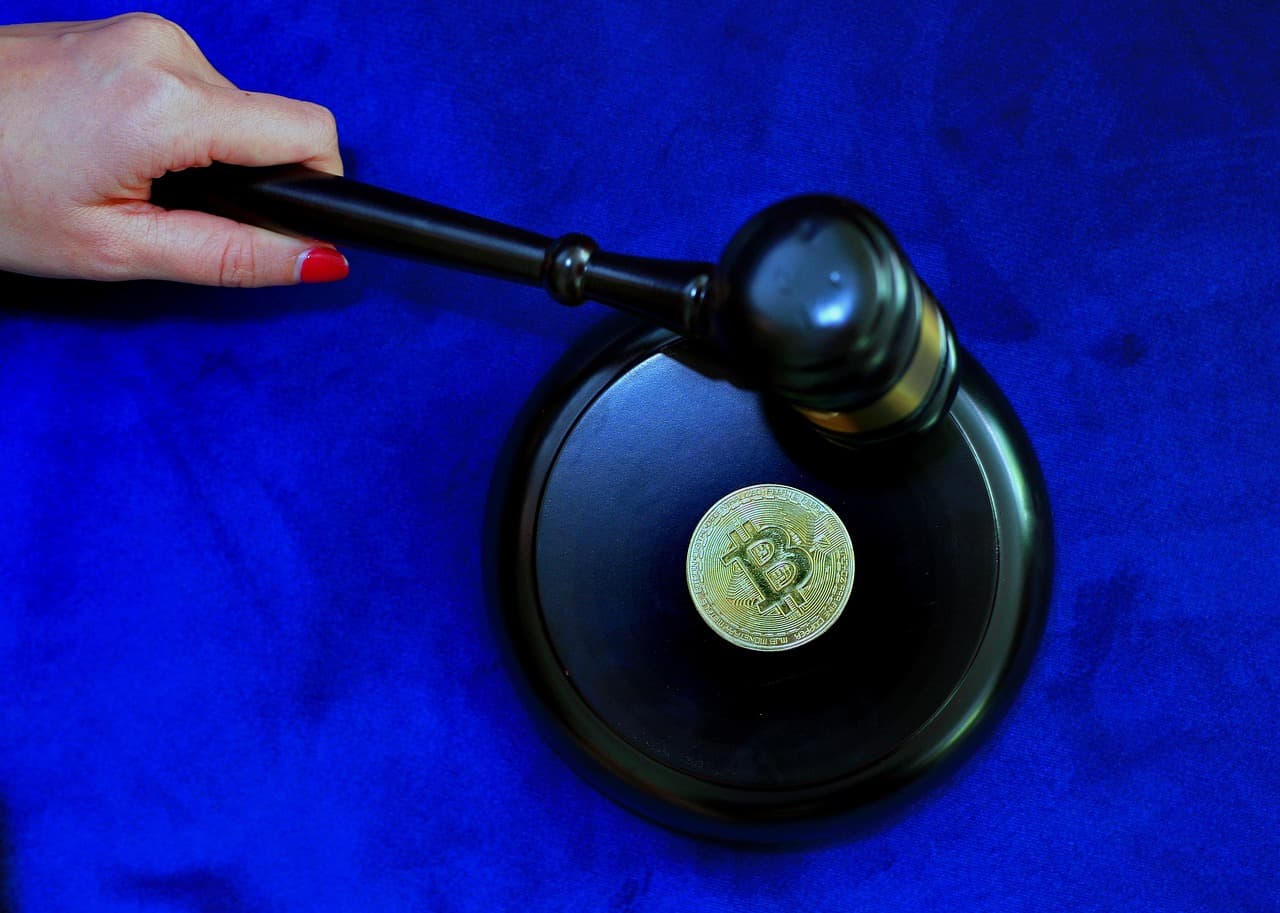
The new phase of crypto is not about hype, it is about infrastructure
Crypto has entered a phase where the biggest changes are less about viral narratives and more about plumbing: how markets are structured, how risk is managed, and how rules are enforced. Three forces are converging at the same time:
- Artificial intelligence moving from analytics into execution
- Regulation shifting from vague warnings to concrete frameworks
- New products and venues expanding access, including ETFs, stablecoin yield, and exchange consolidation
If you want a single lens for understanding where the industry is headed, it is this: digital finance is becoming more automated, more regulated, and more integrated with traditional capital markets.
This matters because the outcomes are not neutral. The same tools that make markets more efficient can also concentrate power, amplify mistakes, or introduce new forms of manipulation. The same regulations that protect consumers can also entrench incumbents or push innovation offshore. And the same products that increase access can also repackage risk.
Why crypto market structure is changing now
The early crypto market was built around spot exchanges and loosely governed tokens. Today, growth increasingly comes from structured products and institutional flows.
Several developments illustrate this shift:
- A growing push to list crypto ETFs in more jurisdictions
- Banks and crypto firms competing over stablecoin regulation and yield-bearing products
- Large regional players exploring acquisitions as exchanges consolidate
- Prediction markets and DeFi apps investing in compliance controls after scandals
What is driving the shift
The drivers are practical:
- Liquidity wants standardization: Large pools of capital prefer familiar wrappers, reporting norms, and regulatory clarity.
- Automation wants clean rails: AI-driven trading and onchain execution benefit from predictable rules and reliable settlement.
- Retail wants safety: After cycles of blowups and scams, users increasingly value transparency, custody protections, and dispute processes.
AI moves from decision support to decision making
One of the most important changes is that AI is no longer just a research tool. In crypto, AI is increasingly used to size positions, route orders, rebalance portfolios, and execute strategies autonomously.
In DeFi specifically, AI systems can interact directly with smart contracts. This can include monitoring yields, moving collateral, hedging exposure, and even participating in prediction markets based on real-time signals.
Where AI creates real value
AI can improve market efficiency when used responsibly:
- Faster risk response: Models can detect abnormal volatility, liquidity gaps, or unusual flow patterns sooner than humans.
- Better execution: Agents can split orders, reduce slippage, and rebalance across venues.
- Continuous optimization: AI can monitor yields and automatically migrate funds across protocols.
Where AI increases risk
Automation also introduces new failure modes:
- Model herding: Many agents using similar signals can crowd into the same trades.
- Feedback loops: Automated responses can accelerate cascades during stress.
- Opaque accountability: When an agent makes a harmful decision, responsibility can become unclear.
Regulation is becoming a product feature
Crypto regulation used to be treated as an external threat. Increasingly it is becoming a product feature. Institutions and many retail users want clarity on custody, disclosure, market manipulation rules, and stablecoin backing.
Legislation and regulatory actions can change competitive dynamics quickly:
- Clearer rules can unlock new listings and institutional onboarding.
- Enforcement actions can push exchanges to tighten surveillance.
- Rules on stablecoin yield can determine whether banks or crypto-native firms capture the margin.
Regulation changes incentives, not just compliance checklists
When rules define what is allowed, they shape what gets built.
- If stablecoin yield is restricted: Products may move toward tokenized funds, credit strategies, or permissioned pools.
- If ETF approvals expand: More capital may enter through brokerage accounts rather than direct onchain activity.
- If exchanges face stricter licensing: Consolidation tends to accelerate because compliance is expensive.
Exchanges are consolidating and becoming multi-product platforms
In several regions, exchanges are evolving into broader financial platforms that bundle trading, custody, cards, lending-like features, and structured products.
Consolidation is a natural result of:
- Higher compliance costs
- The need for deeper liquidity
- Demand for institutional-grade controls
What consolidation means for users
Consolidation is not automatically good or bad, but it changes tradeoffs:
- Potential benefits: Better security budgets, improved market surveillance, tighter spreads.
- Potential drawbacks: Fewer choices, more centralized points of failure, less innovation at the edges.
Prediction markets face a trust test
Prediction markets are powerful because they aggregate beliefs into prices. But they are also vulnerable to manipulation, insider information, and thin liquidity.
High-profile scandals can force platforms to improve controls. When a market's reputation is damaged, the product may survive only if it can demonstrate credible monitoring, clear rules, and enforcement.
Putting it together: the next crypto cycle is about credibility
The industry is moving toward a world where capital, regulators, and users all demand more credible systems.
What to watch over the next 12 to 24 months
- AI execution in DeFi: More strategies will be agent-driven, but safeguards will become a differentiator.
- Stablecoin yield frameworks: Policy outcomes will determine product design and who captures revenue.
- ETF expansion: More access will arrive via traditional wrappers, reshaping flow patterns.
- Exchange licensing and consolidation: Regional champions will grow, and weaker players will exit.
Practical takeaways for readers
If you are a builder, investor, or simply a curious participant, the goal is to understand how these forces interact.
How to think about risk in this new environment
- Smart contract risk is not the only risk: Market structure and automation create new vulnerabilities.
- Regulatory risk is strategic risk: It can determine which business models survive.
- Reputation is now part of the product: Platforms that cannot prove integrity will struggle.
How to think about opportunity
- Automation creates new primitives: Agent toolkits, audit layers, simulation environments, and guardrails.
- Regulation creates new categories: Licensed stablecoins, compliant yield products, regulated market surveillance.
- Integration creates new demand: Custody, reporting, and cross-venue execution for institutions.
Conclusion: digital finance is professionalizing
Crypto is not abandoning its roots in open networks and programmable money. It is layering professional market infrastructure on top of that foundation.
AI will push the frontier of what is possible in execution and optimization. Regulation will determine where and how that frontier can be commercialized. And new market structures, from ETFs to consolidated exchanges, will define who can access crypto and under what protections.
The headline question is no longer whether crypto will exist. The real question is what kind of financial system it becomes, and who it is built to serve.