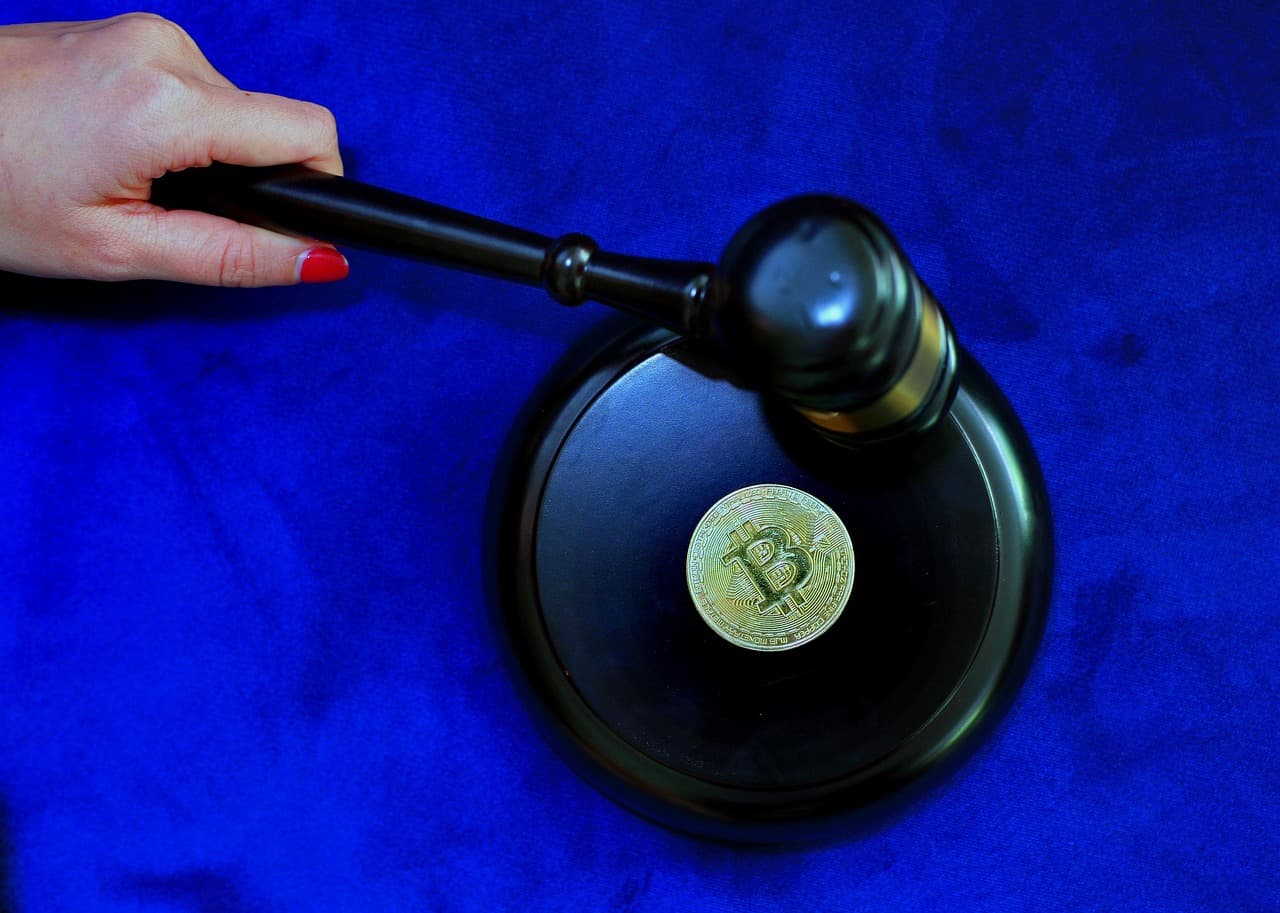
The new crypto story is not just price
Crypto headlines often begin with price movement, but the bigger story in 2026 is about structure: clearer rules, more institutional rails, and a security arms race that is shaping what survives long term. When Bitcoin leads a rally, it pulls attention toward charts and flows. Yet behind that rally sit deeper forces: stablecoins becoming payment infrastructure, regulators debating where tokens fit in financial law, exchanges building regulated derivatives products, and governments escalating cyber enforcement.
This article is a hub view of what connects these developments. Think of the market as moving through three simultaneous transitions:
- From speculation to utility: payments, treasury operations, and tokenized assets are becoming mainstream use cases.
- From gray areas to rulebooks: legislation and agency rulemaking are compressing regulatory uncertainty.
- From hobby security to national-security stakes: major hacks are treated as geopolitical events, not just "crypto crimes."
The three pillars reshaping crypto right now
The most consistent threads across recent developments can be grouped into regulation, market structure, and security.
Regulation is no longer an abstract debate
In the United States, rulemaking and proposed legislation are increasingly about definitions and boundaries, not whether crypto should exist. That distinction matters. Definitions decide:
- Which tokens are treated like commodities vs securities
- Which intermediaries can custody assets and under what standards
- What counts as "reserve quality" for stablecoins
As regulators and lawmakers debate frameworks, the market reprices risk. Even if the industry can "survive without" a specific bill, capital tends to prefer environments where compliance paths are legible.
Market structure is growing up
Spot trading was the first phase. The next phase is regulated leverage, hedging, and professionally managed risk.
When a major exchange expands U.S. derivatives capability, it signals that crypto is converging with traditional market infrastructure:
- Better price discovery: derivatives often improve liquidity and tighten spreads.
- Hedging tools: miners, funds, and businesses can manage exposure rather than simply hold or sell.
- Institutional participation: many professional strategies require regulated derivatives access.
This is not automatically "good" for everyone, but it is a sign that the market is professionalizing.
Security is now a macro factor
Large hacks are not just losses to individuals. They influence:
- Regulatory pressure: high-profile theft increases political urgency.
- Exchange and wallet design: security becomes a competitive differentiator.
- Geopolitical narratives: attribution and denial can become part of statecraft.
When allegations of state-backed theft circulate, markets and policymakers treat the issue differently than ordinary cybercrime. The result is heavier scrutiny on custody, compliance, and transaction monitoring.
The "utility stack" under the rally
When Bitcoin leads a market move, it often reflects broader liquidity conditions. But the durability of optimism increasingly depends on the utility stack under the market. In 2026, that stack includes:
- Stablecoins for payments and liquidity management
- Tokenized real-world assets (RWA) as a bridge to traditional finance
- AI-driven compliance and market surveillance
These are not side quests. They are the plumbing that makes crypto relevant to businesses and regulators.
Stablecoins are becoming financial infrastructure
Stablecoins started as a trading tool: a digital dollar substitute to move between exchanges. Now they are expanding into:
- Everyday settlement: cross-border transfers, contractor payments, and remittances.
- Treasury operations: short-duration cash management and on-chain liquidity.
- Programmable finance: automated payouts, escrow, and invoice logic.
As stablecoins evolve, regulators focus on reserves, redemption rights, and issuer obligations. That is why proposals around tokenized reserves and limits on what counts as backing are so important. If stablecoins become widely used, their reserve rules effectively become systemic-risk rules.
Tokenized reserves and the fight over what "backed" means
If an issuer holds reserves in tokenized form, regulators must decide whether those instruments are:
- Equivalent to traditional cash-like assets
- More transparent due to on-chain auditability
- Or riskier due to technical and settlement dependencies
The policy outcome shapes who can issue stablecoins at scale and what assets can be used to back them. A strict limit may constrain innovation, while looser rules may demand stronger risk controls.
AI is now part of market integrity
Market manipulation is an old problem, but crypto's 24-7, multi-venue nature makes it harder to police. Surveillance systems that watch flows across domestic and overseas exchanges in real time represent a shift:
- Manipulation detection becomes proactive: patterns can be flagged before damage spreads.
- Cross-venue analysis improves: spoofing and wash trading often hop between platforms.
- Enforcement becomes data-driven: fewer "he said, she said" disputes when clustering shows coordination.
This also introduces new questions: false positives, model transparency, and due process for flagged accounts. Still, the direction is clear: crypto markets are being monitored more like mature capital markets.
The Clarity question: do we need it, and what happens without it?
You can have a functioning market without perfect legislation. Crypto has proved that. But "functioning" is not the same as "efficient." A deadlock can keep uncertainty alive in areas like:
- Token classification: which rules apply to which assets
- Custody requirements: who can safeguard assets for institutions
- Disclosure standards: what investors should be told and when
Even partial clarity can lower the cost of capital for compliant firms, because investors can better price regulatory risk.
A practical framework for readers: how to interpret 2026 crypto headlines
If you want to make sense of daily news, map each headline to one of four buckets:
Market moves
- Bitcoin-led rallies: usually liquidity and sentiment indicators.
Infrastructure and utility
- Stablecoins and RWA: signal adoption and integration with real-world finance.
Regulation
- Bills, agency guidance, reserve rules: change the playing field for every participant.
Security and enforcement
- Hacks, sanctions, surveillance tech: drive risk perception and compliance costs.
What this means for the next 12 to 24 months
Crypto in 2026 is not one story but several stories converging.
Where momentum likely builds
- Regulated products: derivatives, custody, and compliant on-ramps.
- Stablecoin rails: payments, treasury, and merchant settlement.
- Transparency tooling: proof-of-reserves, audit automation, and surveillance.
Where risks remain high
- Custody concentration: large pools of assets remain attractive targets.
- Regulatory fragmentation: different jurisdictions will set competing standards.
- Operational complexity: tokenized reserves and cross-chain systems add failure modes.
Takeaway: the winners will look boring on purpose
The most durable crypto businesses and networks in this cycle will not be defined by slogans. They will be defined by compliance readiness, risk controls, and products that solve real problems. Price still matters, but it increasingly follows structure.
If you want to track the market like a professional, follow the boring details: reserve composition, surveillance capability, custody standards, and the legal definitions that decide who can participate. That is where the next wave of adoption will be built.