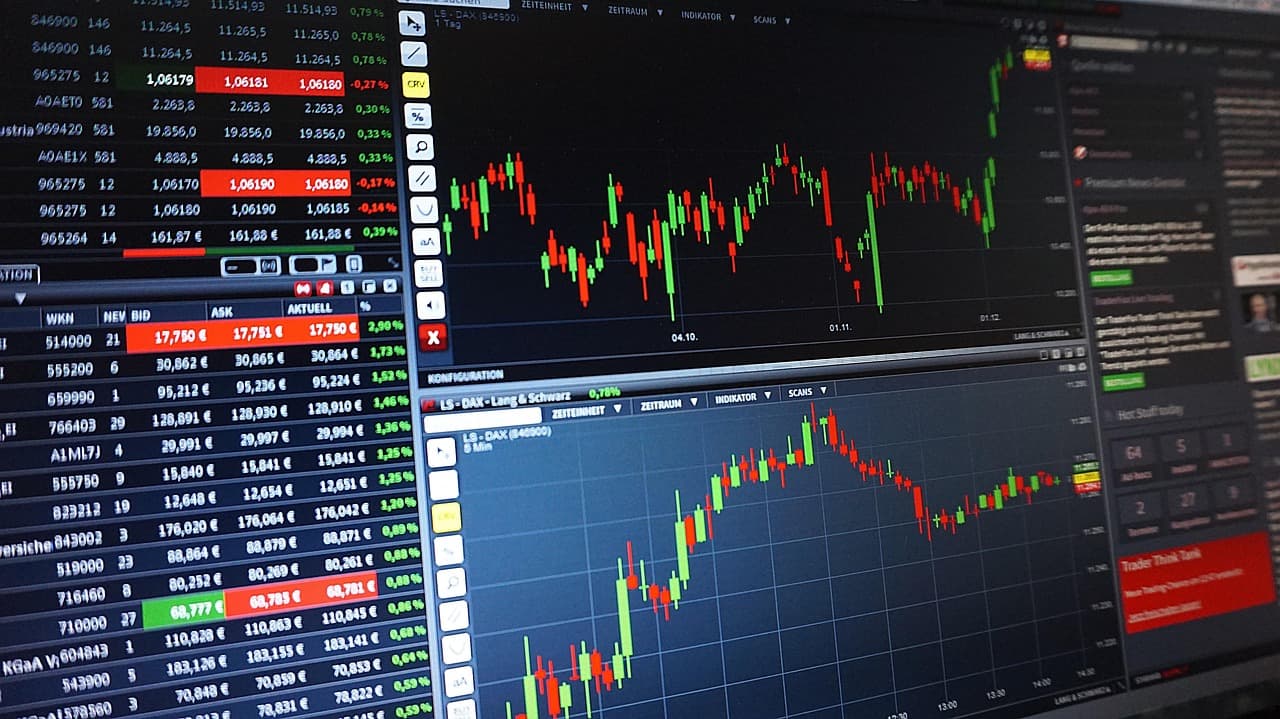
Security is the hidden driver of adoption
Crypto adoption is often described as a function of price and technology. In practice, it is also a function of safety. When major hacks dominate the news, they do more than cause losses. They reshape regulation, accelerate surveillance, and change user behavior.
In 2026, two forces are rising at the same time:
- Large-scale theft linked to sophisticated groups, sometimes alleged to be state-backed.
- Advanced market surveillance using AI to detect manipulation and coordinated abuse.
Together, they are pushing crypto toward a more monitored, security-first era.
Why major hacks are treated differently now
Early crypto hacks were often framed as "Wild West" stories. That framing no longer holds. The scale of losses and the sophistication of attackers have elevated crypto theft into a geopolitical and systemic-risk topic.
What large hacks do to the market
- They increase compliance pressure: exchanges, custodians, and issuers must show stronger controls.
- They alter liquidity behavior: users may flee to perceived safer venues or self-custody.
- They raise transaction monitoring intensity: more blacklisting, more risk scoring, more freezes.
Even when a nation denies involvement in theft allegations, the dispute itself affects policy. Attribution battles lead to more sanctions discussions, more scrutiny of mixers and bridges, and more demand for traceability.
The new enforcement toolbox: AI market surveillance
Market manipulation is not unique to crypto, but crypto markets are uniquely complex:
- Always-on trading
- Many venues across jurisdictions
- Pseudonymous accounts
- Rapid creation of new tokens
To keep up, regulators and watchdogs are increasingly using AI-driven systems that monitor trading behavior in real time.
What AI surveillance is designed to catch
AI tools look for patterns that are hard to spot manually:
- Coordinated account clusters: groups acting together to move price.
- Wash trading signatures: repeated self-trading to inflate volume.
- Spoofing and layering: fake orders meant to trick other traders.
- Cross-venue manipulation: activity spread across multiple exchanges.
This matters because market integrity is not just a fairness issue. It is a liquidity issue. Institutions avoid markets that appear easily gamed.
Market integrity is a security topic too
Security is often discussed as "don't get hacked." Integrity is "don't get exploited by a rigged market." Both protect users, but in different ways.
How manipulation hurts everyday traders
- Slippage and poor fills: price moves are engineered, not organic.
- Stop-loss hunting: predictable retail behavior is targeted.
- False narratives: inflated volume creates the illusion of demand.
Surveillance can reduce these harms, but it also increases monitoring and potential account restrictions. The tradeoff is more oversight for better market quality.
Practical security: what individuals can do today
You cannot control geopolitics or regulatory surveillance, but you can reduce your personal risk dramatically with a few habits.
Wallet and account safety essentials
Use strong authentication
- Two-factor authentication: use an authenticator app instead of SMS when possible.
Protect recovery material
- Seed phrase storage: keep it offline, private, and split across secure locations if appropriate.
Reduce hot wallet exposure
- Cold storage for long-term holdings: keep only what you need for trading in hot wallets.
Verify addresses and networks
- Transaction hygiene: double-check the chain, address, and token before sending.
Watch permissions
- Smart contract approvals: revoke permissions you no longer need and avoid granting unlimited spending when possible.
Safer trading habits that reduce manipulation risk
Even with good custody practices, traders can lose money through market structure problems.
Prefer deeper liquidity venues
- Liquidity selection: thin markets are easier to manipulate and harder to exit.
Use limit orders in volatile conditions
- Execution control: limit orders can reduce unexpected fills during fast moves.
Be skeptical of sudden volume spikes
- Signal filtering: sharp volume without clear catalysts can be artificial.
Size positions for worst-case gaps
- Risk sizing: assume price can gap beyond your stop during liquidations.
Avoid high leverage when uncertainty is high
- Leverage discipline: leverage magnifies not only returns but also liquidation risk during engineered swings.
How exchanges and platforms are responding
Platforms face pressure from both customers and regulators to harden defenses.
Common improvements in 2026
- Better custody segmentation: reducing blast radius if a system is breached.
- Stronger withdrawal controls: delays and whitelists to stop rapid drains.
- Enhanced monitoring: detecting suspicious logins, device changes, and unusual withdrawal patterns.
- Stricter listing standards: fewer low-quality tokens that attract manipulation.
None of these is perfect, but collectively they make opportunistic attacks harder.
The bigger picture: why this is happening now
Crypto is converging with mainstream finance. As that happens, it inherits mainstream expectations:
- Markets should be surveilled.
- Custody should be professional.
- Issuers should be accountable.
- Large losses should trigger investigations.
AI surveillance in particular reflects a recognition that human-only monitoring does not scale to 24-7 global markets.
What to watch next
Security and integrity will continue to evolve. For readers, the most useful signals to track are:
Platform behavior under stress
- Withdrawal halts and communication quality: stress reveals operational maturity.
Public security posture
- Audits, bug bounty programs, and incident transparency: mature teams invest in these consistently.
Regulatory coordination
- Cross-border enforcement alignment: attackers exploit gaps between jurisdictions.
Takeaway: safer crypto is built from both technology and behavior
The industry is responding to theft and manipulation with better tools: more surveillance, stricter controls, and improved compliance. But the user remains a key security boundary.
If you want to participate in crypto in 2026 with less stress, focus on two things: custody discipline and trading discipline. Together, they reduce your exposure to the two biggest practical threats: losing assets to theft and losing capital to market games.