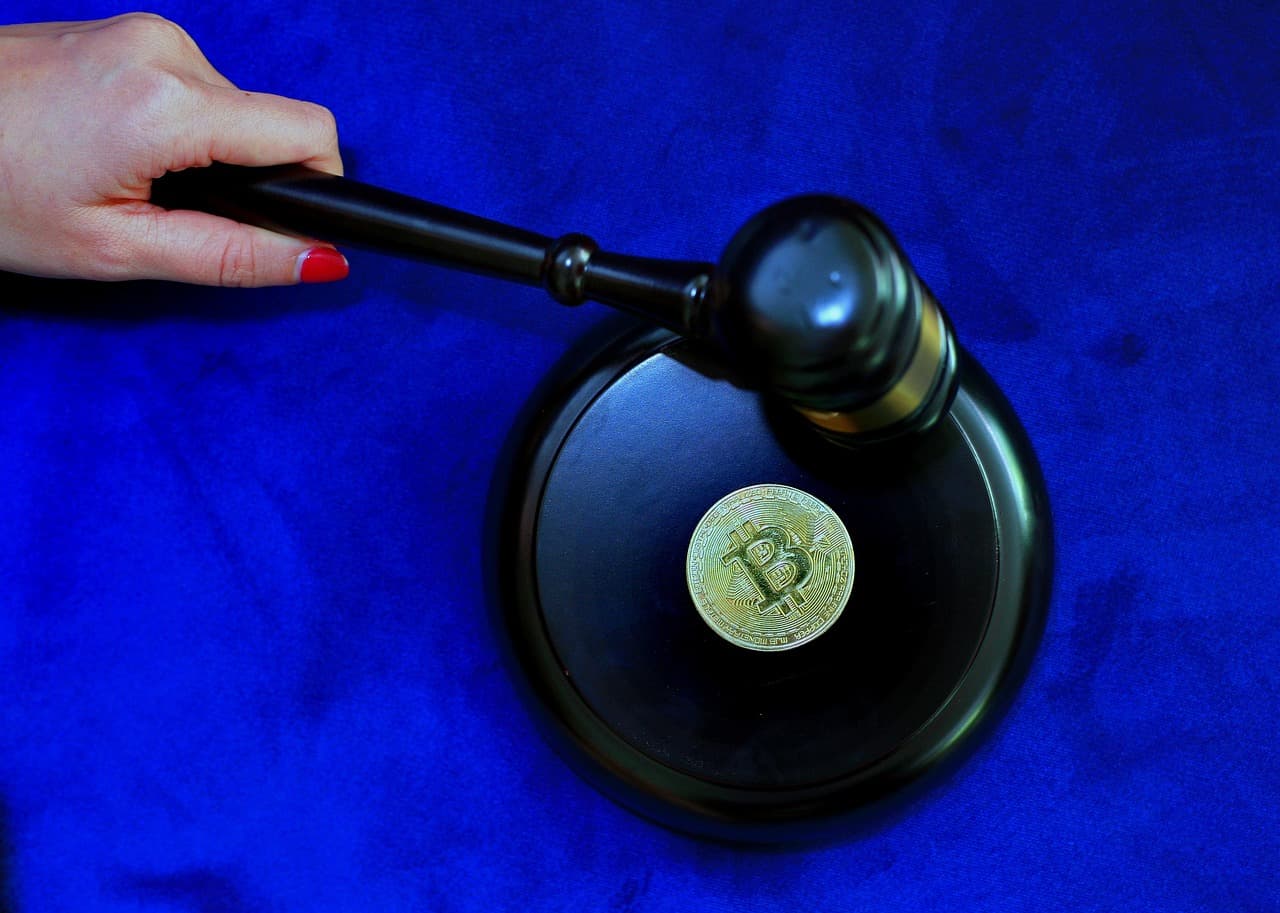
A landmark step in West Africa
Ghana has moved from observing crypto to regulating it. By recognizing virtual asset services and outlining a legal regime for providers, the country has created a pathway for responsible innovation. This decision matters far beyond Ghana’s borders. It reflects a broader shift among emerging markets that want the benefits of digital assets while managing their risks.
What legalization typically covers
While every jurisdiction is different, frameworks that legalize and supervise crypto activity tend to include several common pillars. These pillars allow entrepreneurs to build, consumers to transact safely, and authorities to oversee risks.
Common pillars of a virtual asset framework
- Licensing of providers: Exchanges, wallets, brokers, and custodians must be authorized and meet fit and proper criteria.
- AML and KYC standards: Providers verify identities, monitor transactions, and report suspicious activity.
- Custody and security rules: Segregated client assets, robust key management, and insurance expectations.
- Market conduct: Requirements to prevent manipulation, insider trading, and misleading promotions.
- Disclosure and reporting: Regular audits, financial statements, and operational incident reporting.
- Consumer protection: Clear risk disclosures, complaints processes, and redress mechanisms.
Why Ghana’s move is consequential
Ghana joins a cohort of countries that see digital assets as a lever for financial inclusion and competitiveness. With a young, tech-savvy population and meaningful remittance flows, the country is positioned to benefit from faster, cheaper, and programmable finance.
Expected benefits for Ghana
- Cheaper remittances: Stablecoins and regulated VASPs can lower fees for families receiving funds from abroad.
- SME empowerment: Small merchants can accept digital payments, invoice internationally, and settle faster.
- Fintech jobs and investment: Clear rules attract founders, engineers, and capital seeking regulatory certainty.
- Regional leadership: Ghana can shape standards across West Africa by piloting responsible models.
- Public sector efficiency: Tokenized government payments and procurement can increase transparency.
The practical challenges
Legalization is a starting line, not a finish line. Implementation determines outcomes, and it comes with real challenges that must be addressed deliberately.
Key hurdles to overcome
- Supervisory capacity: Regulators need training, tooling, and funding to oversee a new sector effectively.
- Cross-border coordination: Crypto flows do not stop at national borders, so cooperation with peers is essential.
- Fraud and scams: Clear education campaigns and enforcement priorities are needed to protect consumers.
- FX and capital controls: Policymakers must balance openness with macroeconomic stability goals.
- Talent pipeline: Building local expertise in security, compliance, and blockchain development is critical.
Use cases that fit Ghana’s needs
Ghana can focus on practical applications that deliver measurable public value while staying within a supervised framework. These use cases are already working in other markets and can be adapted to local conditions.
High-impact use cases to prioritize
- Regulated remittance corridors: Licensed providers use audited stablecoins to move funds with transparent fees.
- Merchant payments: Point-of-sale tools let merchants accept digital assets while settling to local currency.
- Government disbursements: Pilot tokenized stipends and subsidies to reduce leakage and speed delivery.
- Trade finance: Tokenized invoices and collateral help SMEs access working capital faster.
- Agriculture supply chains: On-chain traceability improves market access and pricing for farmers.
How startups can build compliantly
Founders often ask how to innovate without running afoul of rules. The answer is to embed compliance from day one, work openly with regulators, and design for user protection.
A builder’s playbook
- Start with licensing: Map your activities to license categories and apply early to avoid delays.
- Choose high-quality stablecoins: Prioritize reserve transparency, attestation cadence, and broad chain support.
- Implement strong custody: Use hardware security modules or MPC, with dual control and audit trails.
- Design clear disclosures: Explain risks in plain language, including price volatility and irreversible transfers.
- Protect the vulnerable: Default to transaction limits, cooling-off periods, and fraud detection.
Signals for other emerging markets
Ghana’s approach is part of a continental and global pattern. Countries are moving from bans and ambiguity to risk-based supervision. The playbook blends licensing, market integrity rules, and consumer protections with active industry engagement. As more markets adopt similar frameworks, cross-border interoperability and standards will follow.
What success looks like in 24 months
The best outcomes are measurable. Regulators, industry, and civil society can agree on goals and track progress.
Metrics that matter
- Lower remittance costs: A clear decline in average fees for incoming transfers.
- Fraud reduction: Fewer reported scams per thousand transactions due to education and enforcement.
- Financial inclusion: Growth in the number of merchants and users with access to digital payments.
- Regulatory capacity: Shorter licensing timelines and improved supervisory audits.
- Investment flows: Increased funding for compliant local startups and partnerships with global firms.
The bottom line
Legalization with supervision does not mean crypto without guardrails. It means innovation with accountability. Ghana has taken a pragmatic step that can unlock inclusion, competition, and trust. If implementation is steady and collaborative, it will become a model for peers seeking the benefits of digital finance without sacrificing stability or consumer protection.
Action checklist for policymakers and builders
- Create a regulatory sandbox: Let innovators test under supervision with clear guardrails.
- Publish clear guidance: Provide FAQs that translate legal text into operational requirements.
- Invest in education: Train supervisors, law enforcement, and judges on crypto basics.
- Standardize disclosures: Require consistent risk statements across licensed providers.
- Measure and iterate: Review outcomes semiannually and refine rules based on data.