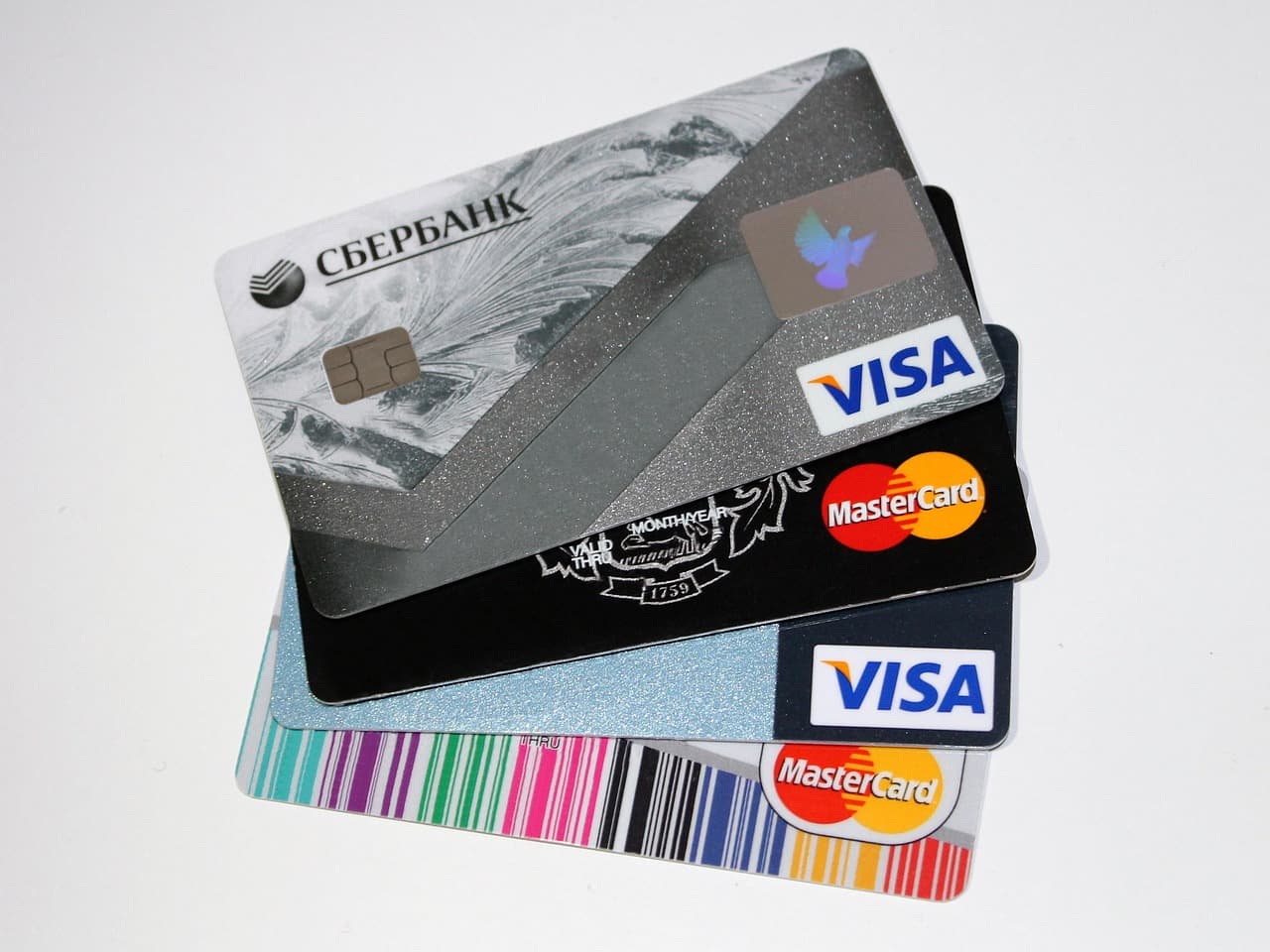
From Wallet to Checkout: How Crypto Cards Turn Digital Assets Into Everyday Spending
Few developments make crypto feel more tangible than tapping a card at a cafe and seeing your balance update in your wallet. Crypto-linked debit cards convert digital assets to local currency at the moment of purchase, letting you spend anywhere the major networks are accepted. As regulated exchanges roll out cards across Europe and the UK and more providers look to launch their own, crypto payments are moving from novelty to normal.
This guide breaks down how crypto cards work, where the value really is, the hidden costs to watch, and how both consumers and merchants can benefit as the bridge between on-chain money and everyday commerce strengthens.
How crypto cards actually work
- Funding source: Your exchange or wallet holds your crypto or stablecoin balance. You can usually set a preferred asset to spend first.
- On-the-fly conversion: At checkout, the provider sells just enough of your asset to cover the purchase and fees, then funds the transaction in fiat through the card network.
- Merchant experience: The merchant receives local currency as usual. No new hardware is needed, which speeds adoption.
- Rewards and fees: Some cards offer cashback in crypto or points. Spreads, FX margins, and network fees vary by provider and market.
Why card programs are expanding now
- Licensing and compliance: More exchanges have obtained e-money or similar authorizations and forged partnerships with regulated issuers.
- Broader coverage: Multi-country launches in Europe and the UK show that compliance playbooks are maturing.
- Stablecoin maturity: Dollar and local-currency stablecoins give providers a low-volatility funding source for card transactions.
- User demand: Holders want to use balances in daily life, not just on exchanges.
The real benefits for users
- Universal acceptance: If a merchant accepts major card networks, you can spend your crypto via the card without asking them to support anything new.
- Instant utility: No need to pre-convert to fiat days in advance. The provider handles it at the moment of purchase.
- Cashback and perks: Rewards can offset fees and encourage everyday use. Some programs offer category boosts or premium tiers.
- Multi-currency support: Cards that work in dozens of countries and hundreds of currencies make travel simpler.
What to watch out for
- Spreads and FX: Conversion spreads can be higher than they appear. Compare the provider’s rate to a public benchmark before large purchases.
- Tax considerations: Selling crypto to fund a purchase may be a taxable event in some jurisdictions. Stablecoins can reduce volatility but not necessarily tax impact. Consult local guidance.
- ATM fees: Cash withdrawals may carry extra fees from both the card provider and the ATM operator.
- Asset selection: Spending highly volatile tokens can create regret. Consider using stablecoins for predictable outcomes.
How providers can stand out
- Transparent pricing: Publish spreads, FX margins, and fees in a clear, simple table. Transparency leads to trust and usage.
- Configurable spend rules: Let users set daily limits, choose specific assets for specific merchant categories, and require confirmations over a threshold.
- Instant top-ups: Support instant bank transfers and stablecoin deposits so users can fund just-in-time.
- Real-time insights: Push notifications with the crypto-to-fiat rate used, fees paid, and remaining balance drive confidence.
Merchant implications and opportunities
- No new hardware: Merchants can accept payments as usual and settle next day in local currency. Adoption costs are minimal.
- Stablecoin settlement options: Some providers may offer settlement in stablecoins, which can speed cash flow for merchants who prefer it.
- Lower dispute risk for some flows: Programmable payments and stronger identity checks can reduce fraud in specific use cases.
A practical playbook for cardholders
- Choose the right asset: Use stablecoins for everyday spending to avoid volatility surprises. Keep speculative assets separate.
- Understand your fees: Read the fine print on spreads, FX, and ATM withdrawals. Aim to use the card where fees are lowest.
- Use rewards strategically: Align spending with categories that offer higher cashback and consider stacking with other loyalty programs.
- Set safety controls: Enable 2FA, set spend limits, and lock the card in the app when not traveling.
Future features likely to arrive
- Direct stablecoin acceptance: Some merchants and platforms will accept stablecoins directly with automatic conversion to fiat in the background.
- Programmable rewards: Smart contract based rebates that settle instantly after purchase, with transparent rules.
- Subscription controls: Smart approval flows that flag recurring payments and ask for periodic re-confirmation.
- Cross-border optimization: The app could suggest the cheapest funding route per country and merchant category.
Crypto cards are not about reinventing the checkout terminal. They are about making digital assets liquid in the real world without asking merchants to change. For users, the key is to treat these cards like any other finance tool: understand the fees, manage your risk, and use rewards to your advantage. For providers, the winners will combine regulatory strength with transparent pricing and thoughtful user controls. As more exchanges and wallets roll out card programs, everyday spending with digital assets will feel increasingly normal, and that is precisely how mainstream adoption takes hold.