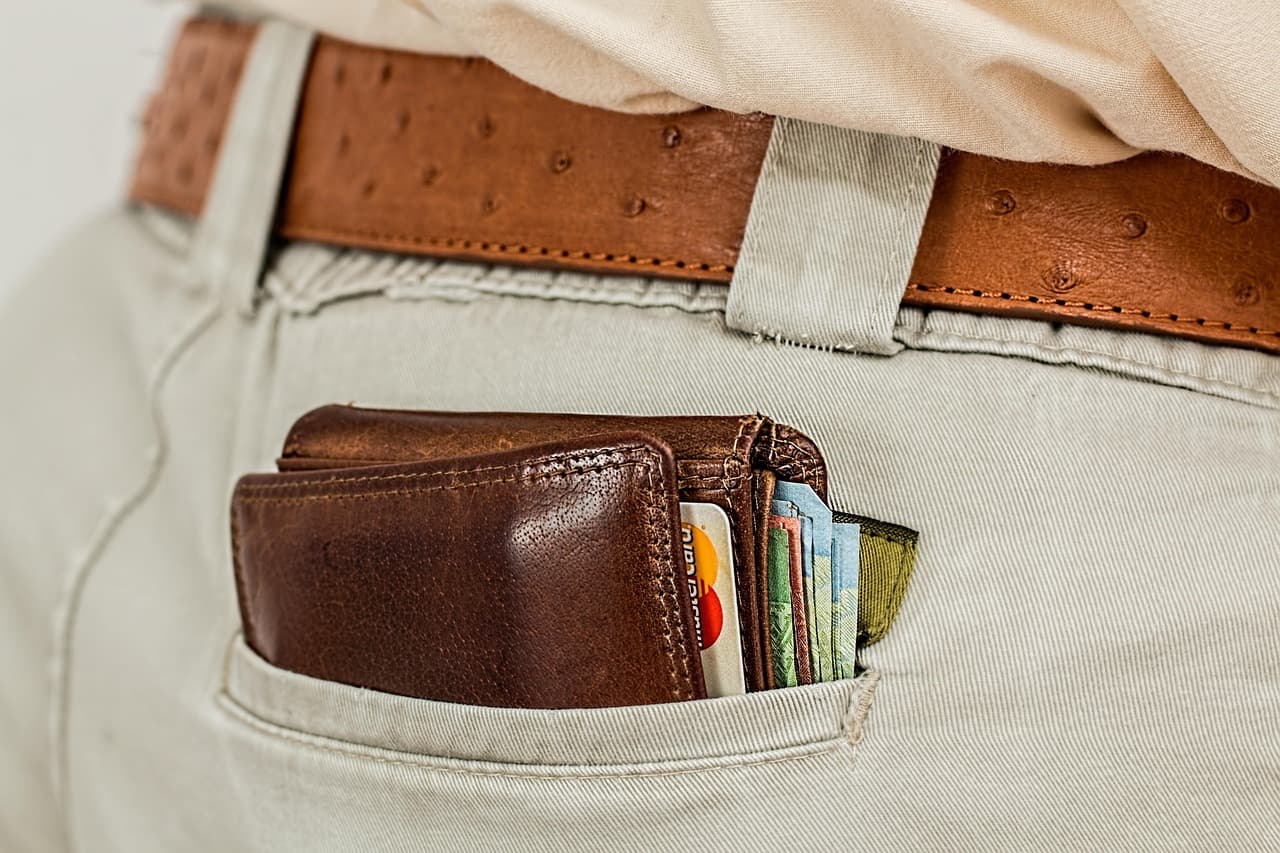
Crypto cards are evolving from “cash out” tools to wallet-native spending
Crypto cards used to be simple: you deposited crypto on an exchange, the provider sold it behind the scenes, and you spent fiat through a card network. Convenient, yes, but it often meant giving up custody and accepting platform risk.
A new wave of products is aiming for something more aligned with the original crypto ethos: self-custodial spending. The goal is to let people spend from their own wallet while still using the global card acceptance network they already rely on.
What “self-custodial” actually means in this context
Self-custody means you control the private keys to your wallet. In a pure self-custody model, no company can freeze your funds or rehypothecate them because they do not hold them.
With a self-custodial card design, the user experience tries to combine:
- A wallet you control.
- A card that can be used at mainstream merchants.
- A conversion or settlement mechanism that makes merchants whole in their preferred currency.
How a self-custodial card typically works
The exact mechanics differ by provider, but most designs follow a similar lifecycle.
The typical flow at checkout
- Authorization: The merchant requests payment through the card network.
- Wallet-linked approval logic: The system checks the wallet balance and whether the transaction can be satisfied.
- Conversion or settlement: Crypto may be swapped to a settlement asset, often a stablecoin or fiat equivalent.
- Final settlement: The merchant receives funds in the standard way for card transactions.
The magic is not that merchants accept crypto directly. The magic is that you get to spend value from your wallet while merchants experience it like a normal card payment.
Why this matters for mainstream adoption
Cards remain the most universal consumer payment interface in many markets. If crypto wants to become usable money, it must fit into everyday behavior.
A self-custodial card can reduce friction by offering:
- Familiarity: Tap-to-pay and online checkout workflows people already trust.
- Portability: The same wallet can potentially work across apps, devices, and jurisdictions.
- Control: Users keep custody rather than parking funds on an exchange.
The trade-offs and risks you should understand
Self-custody is empowering, but it changes your responsibility. A card attached to a wallet can become a high-value target.
Key risks to consider
- Wallet security risk: If your seed phrase is compromised, the attacker can drain funds without the protections you might have with a bank.
- Operational dependence: Even if you self-custody, the card program still depends on issuers, processors, and network rules.
- Transaction finality mismatch: Crypto transfers can be irreversible, while card payments can involve disputes and chargebacks.
- Fees and spreads: Conversion from crypto to settlement currency can include hidden costs.
Stablecoins often sit under the hood
Even when a user “spends crypto,” the behind-the-scenes system frequently uses stablecoins for consistent settlement value.
This is where the stablecoin regulatory debate becomes relevant to payments. If stablecoins are treated as payment instruments, regulators may impose stricter rules on:
- Reserve composition.
- Redemption timelines.
- Marketing claims.
- Whether issuers can offer yield.
For card-linked spending, stablecoins can be the bridge between volatile assets and predictable merchant settlement.
User experience features that actually matter
Marketing tends to focus on acceptance numbers and branding. In practice, the best crypto card experience is determined by details.
Features to evaluate before you rely on a crypto card
- Supported assets: Does it support stablecoins, or only volatile tokens?
- Funding and spending logic: Can you choose which asset is used first?
- Slippage controls: Are there protections against bad conversion rates?
- Limits and controls: Can you set daily limits, freeze the card, or require extra approvals?
- Tax visibility: Does the app help you track taxable events created by spending?
Taxes and accounting: the unglamorous reality
In many jurisdictions, spending crypto can be a taxable event if it involves disposal of an appreciated asset. Even if the card experience feels like spending cash, you might be realizing gains on each purchase.
Some users may prefer to spend stablecoins to simplify recordkeeping. Others may accept the complexity for the flexibility.
What this trend suggests about crypto’s direction
Self-custodial cards represent a compromise between two worlds:
- Traditional payments want reversibility, consumer protections, and standardized compliance.
- Crypto wants user control, open access, and programmable value.
If these products succeed, it signals that crypto’s next growth wave may not come from speculative trading alone. It may come from making crypto useful in mundane, everyday moments.
How to start safely if you are curious
You do not have to go all-in.
A cautious way to test self-custodial spending
- Start small: Use a dedicated wallet with limited funds.
- Prefer stablecoins for spending: Reduce volatility surprises.
- Enable device security: Strong passcode, biometric lock, and secure backups.
- Use controls: Freeze the card when not in use if the provider supports it.
- Monitor transactions: Treat it like a high-risk payment instrument until you trust the workflow.
Bottom line
Self-custodial crypto cards aim to deliver the best of both worlds: broad merchant acceptance and user-controlled funds. They are a meaningful step toward practical adoption, but they also amplify the importance of wallet security, transparent fees, and stablecoin-friendly regulation.