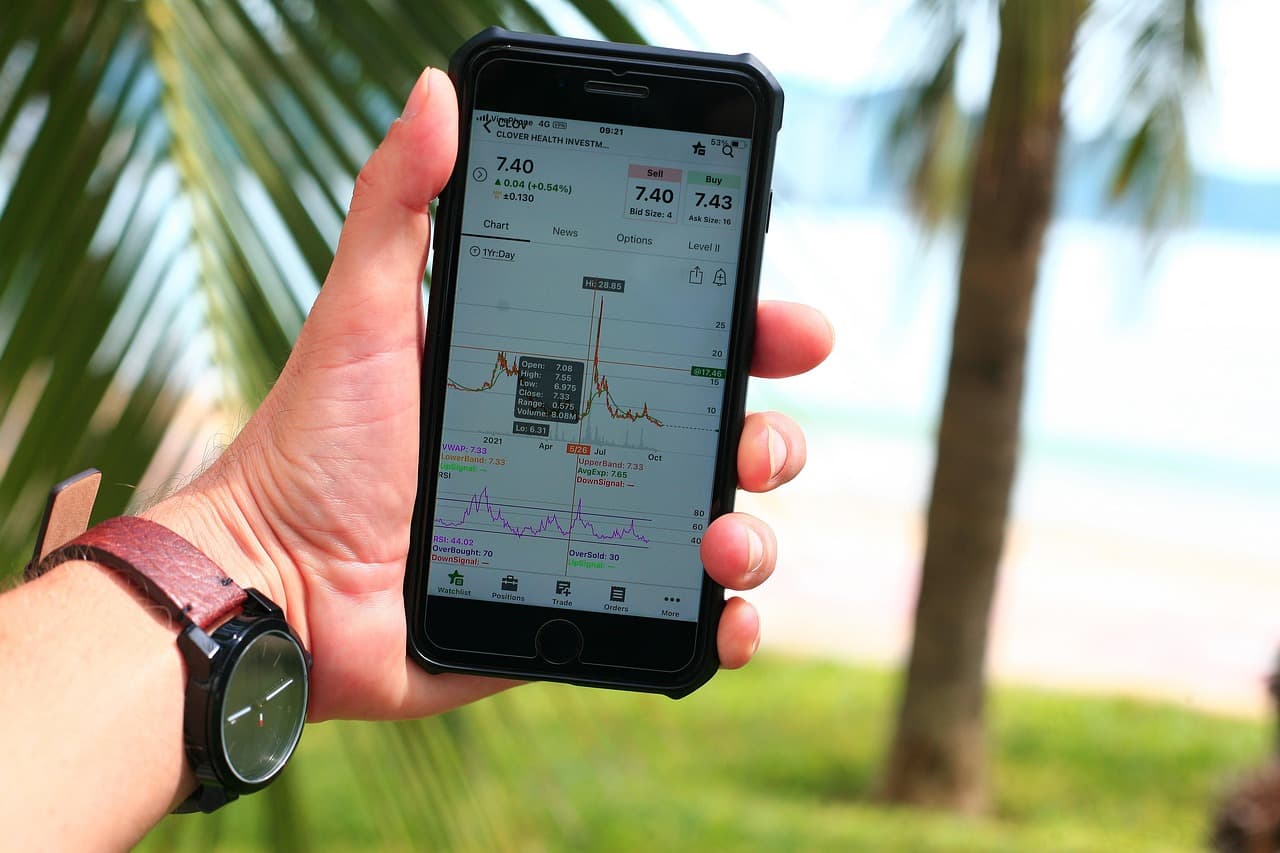
Volatility is a feature, but it is also a message
Crypto volatility is often treated like weather: something that happens to you. But volatility is also information. It reflects leverage, liquidity, positioning, and fear.
In periods of global tension, crypto can experience sudden liquidation waves that look irrational. Traders talk about whales, stop hunts, and market makers. Meanwhile long-term holders wonder whether any of it matters.
This article gives you a practical way to interpret volatility events: what liquidation numbers actually mean, how whale activity can be misread, and what you can do to manage risk without trying to predict every headline.
What a liquidation event really is
Liquidations occur when leveraged positions cannot maintain margin requirements. Exchanges forcibly close positions to prevent accounts from going negative.
Why liquidations accelerate price moves
Forced-selling-and-buying: Liquidations are market orders that push price further in the direction of the move.
Feedback-loop: Price drops cause more liquidations, which cause further drops.
Thin-liquidity-problem: If order books are thin, small pushes become large candles.
A reported figure like hundreds of millions in liquidations is not simply a measure of losses. It is a proxy for how crowded and levered the market was.
The role of geopolitics and macro stress
Geopolitical tension affects crypto through global risk behavior.
Common channels
Risk-off-flows: Investors reduce exposure to volatile assets.
Dollar-strength-dynamics: A stronger dollar often tightens global liquidity.
Funding-stress: Higher uncertainty increases the cost of leverage.
In the short run, crypto often trades like a high-beta risk asset because that is how many participants manage it in portfolios.
Whale bets: what they are and what they are not
The term whale gets overused. Large trades are visible, but the intent behind them is not.
Why whale activity can mislead you
Hedging-looks-like-selling: A large sell could be a hedge against spot holdings.
OTC-versus-exchange: Some whales avoid exchanges; visible flow is not the full picture.
Market-making-activity: Large orders can be inventory management, not directional conviction.
Instead of assuming whales know something, focus on what their activity does to liquidity and price impact.
Momentum vs structure: why the real move can take time
Markets can experience violent volatility without starting a trend.
Two ingredients for a lasting move
Spot-demand-or-supply: Real buying or selling from unlevered participants.
Narrative-follow-through: A reason for new participants to enter after the initial shock.
If liquidations clear leverage but no new spot demand arrives, price can chop and retrace.
Practical indicators you can monitor without overfitting
You do not need complex models to improve your read of volatility.
Market structure checks
Open-interest-trend: Rising open interest with flat price can imply leverage build.
Funding-rates: Persistently positive funding can signal crowded longs.
Spot-versus-perps: If perpetual swaps lead the move, it can be leverage-driven.
Order-book-depth: Thin depth increases liquidation cascade risk.
Event context checks
Macro-calendar: Central bank decisions, inflation prints, and major geopolitical developments often coincide with volatility.
Stablecoin-flows: Large inflows can add buying power; large outflows can reduce it.
Risk management for real people
Most losses during volatility come from sizing and leverage, not from being wrong about direction.
A conservative toolkit
Position-sizing: Use smaller sizes when volatility rises.
Avoid-max-leverage: High leverage can turn small moves into forced exits.
Use-hard-stops-carefully: Stops help, but clustered stops can be hunted in thin liquidity.
Prefer-spot-for-long-term: If your horizon is months or years, consider minimizing liquidation risk.
Plan-exits-ahead: Decide what would invalidate your thesis before the market moves.
How to interpret a big liquidation headline
When you see a liquidation figure, ask structured questions.
A quick interpretation framework
Direction: Was it mostly long liquidations or short liquidations?
Catalyst: Was there a clear news trigger, or did it start from technical breakdown?
Aftershock: Did spot volume confirm the move, or did volume fade quickly?
Recovery-shape: Did price bounce on strong buying, or drift sideways?
These questions keep you from treating every spike as the start of a new bull or bear market.
The psychology trap: confusing intensity with importance
Volatility feels important because it is loud.
Common mistakes
Chasing-after-the-cascade: Entering after the forced move is already mostly done.
Revenge-trading: Increasing risk after a loss to get back to even.
Narrative-overreaction: Treating every macro headline as a permanent regime change.
The goal is not to avoid volatility. It is to avoid letting volatility dictate your decisions.
Closing thoughts
Liquidations and whale moves are part of crypto market structure, especially during periods of geopolitical tension and shifting macro liquidity. The biggest edge for most participants is not predicting the next spike. It is understanding what the spike represents, then managing exposure so you can survive the noisy parts and participate in the meaningful trends.