Stablecoin Cards and Everyday Spending: How Crypto Payments Are Going Mainstream
For years, the promise of crypto payments was simple: send money as easily as sending a message. The reality was more complicated. Price volatility, confusing user experiences, and limited merchant acceptance made everyday spending feel like a niche hobby rather than a practical tool.
That is changing as stablecoins and card-based payment experiences converge. When a payment card can draw from a stablecoin balance, consumers get something familiar at the point of sale, while the value transfer behind the scenes can ride on new rails. This combination is one of the clearest signs that on-chain finance is moving from trading screens into daily life.
Why stablecoins are the key to practical crypto payments
A stablecoin is designed to track the value of a fiat currency, typically the US dollar. That makes it a better fit for payments than assets that can swing by several percent in a day.
What stablecoins enable
- Price stability for budgeting: Users can hold and spend a unit that behaves more like cash than a volatile token.
- Faster settlement: Transfers can finalize quickly without waiting for bank batch windows.
- Programmable money flows: Businesses can automate payouts, refunds, or escrow-like logic.
- Cross-border simplicity: Sending value internationally can be easier than coordinating multiple banking intermediaries.
Stablecoins do not remove all risk, but they reduce the biggest friction for payments: uncertainty about what your money will be worth tomorrow.
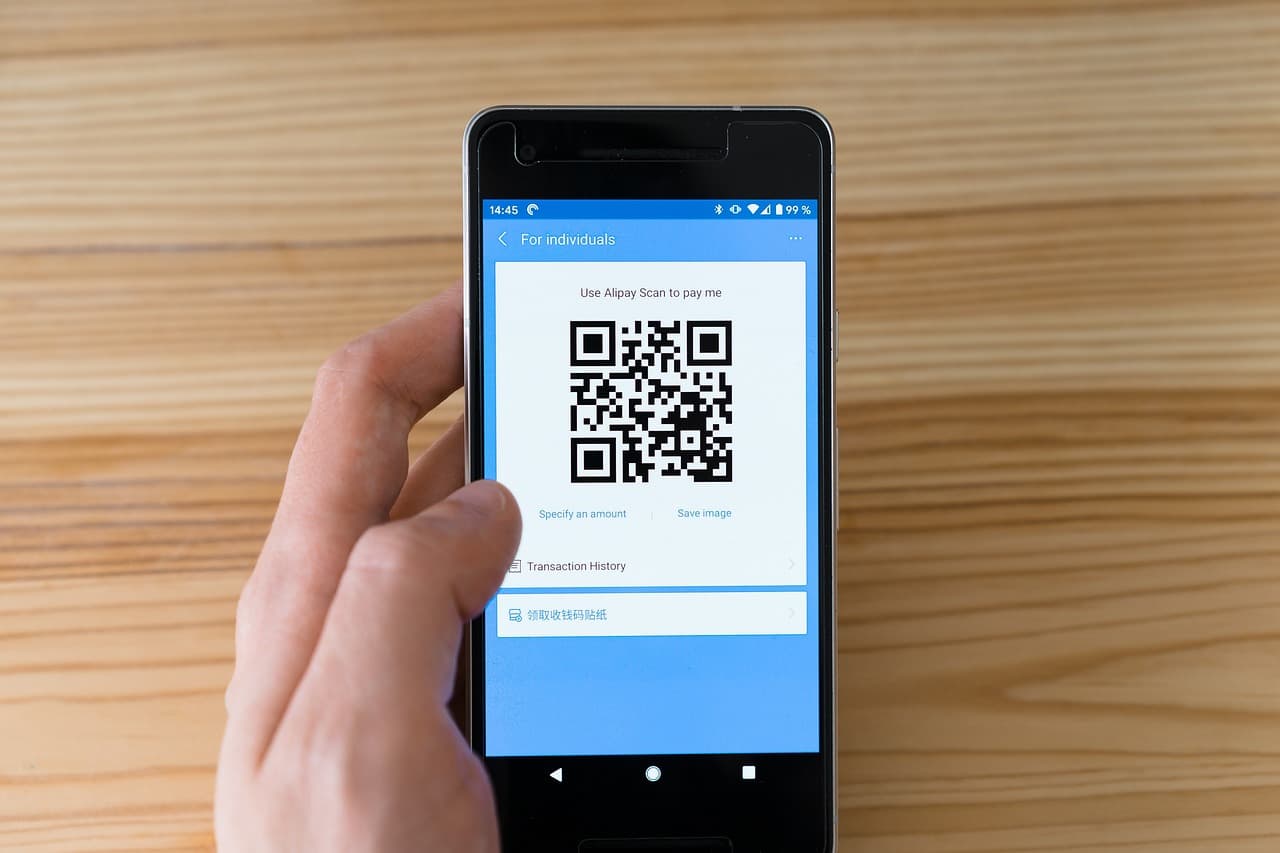
Why cards matter more than QR codes
Crypto payment discussions often focus on “pay with a wallet” at a merchant terminal. In practice, consumers already have strong habits: tap a card, tap a phone, move on. Card-linked stablecoin products meet people where they are.
What a stablecoin-connected card typically does
- Spends in local currency: The merchant receives local currency as usual.
- Uses stablecoins as the funding source: Your balance may be stablecoins held in an account or wallet.
- Handles conversion behind the scenes: The system converts or settles in a way that feels seamless to the user.
From the consumer’s perspective, it can feel like a normal debit card. From the system’s perspective, it is a bridge between legacy acceptance networks and on-chain value.
The real value proposition: distribution and reliability
The biggest barrier to crypto payments has not been technology. It has been distribution, trust, and reliability.
Why mainstream distribution changes everything
- Familiar checkout experience: Cards work at places where people already shop.
- Reduced learning curve: Users do not need to explain crypto to the cashier.
- Customer support expectations: Payment products must handle disputes, refunds, and mistakes.
When stablecoin payment products scale through widely accepted formats, adoption can grow without requiring users to become crypto experts.
How stablecoin card programs work behind the scenes
Different providers implement stablecoin cards in different ways, but most involve a few common components.
Common building blocks
- Custody or wallet infrastructure: Where stablecoins are stored and secured.
- Compliance checks: Identity verification, monitoring, and transaction controls.
- Liquidity and conversion: Mechanisms to convert stablecoins to settlement currency when needed.
- Card issuing and payment processing: The rails that connect to global merchant acceptance.
This is where “on-chain” meets “real world.” The details matter, because they determine fees, speed, and risk.
Benefits for consumers
If implemented well, stablecoin cards can offer practical improvements, not just novelty.
Consumer-friendly advantages
- Faster access to funds: Receiving stablecoins can be quicker than receiving international bank transfers.
- Potentially lower cross-border friction: Users who earn or receive money internationally may spend it more directly.
- More control over balances: Some users prefer holding value in a tokenized form they can move at any time.
- Backup payment option: In some contexts, stablecoin balances can be a secondary store of value.
Not every user needs these features, but for global workers, travelers, online freelancers, and cross-border families, they can be meaningful.
Benefits for merchants and platforms
Merchants may not “accept stablecoins” directly in these setups, but they can still benefit indirectly if costs fall or conversion becomes more efficient.
Platform-level advantages
- New customer segments: People who hold stablecoins can spend without off-ramping first.
- Programmable promotions: Cashback or rewards can be tokenized and automated.
- Settlement flexibility: Some systems may enable faster settlement cycles for platforms.
The biggest merchant benefits often show up first in online commerce, marketplaces, and global subscription businesses.
Risks and tradeoffs to understand
Stablecoin payment products can look simple on the surface. Users should still understand the main risk categories.
Key risks to evaluate
- Issuer and custody risk: If the provider holds your stablecoins, you are exposed to their controls and policies.
- Stablecoin design risk: Not all stablecoins are equal in reserves, transparency, or redemption mechanics.
- Compliance and account freezes: Payment products often include monitoring that can restrict activity.
- Fees and FX spreads: Convenience can come with conversion spreads or hidden costs.
A good rule: treat a stablecoin card like a financial product, not a gadget. Read the terms, understand the fees, and know who controls the funds.
How to choose a stablecoin payment product
If you are considering a stablecoin-linked card or account, focus on practical criteria rather than hype.
A simple checklist
- Regulatory footprint: Look for clear jurisdictional licensing and transparent terms.
- Stablecoin selection: Prefer stablecoins with strong track records and clear redemption policies.
- Fee transparency: Understand card fees, network fees, conversion spreads, and withdrawal costs.
- Security controls: Two-factor authentication, withdrawal limits, and clear recovery options.
- Customer support: Payments are high-stress when something goes wrong, so support quality matters.
What this means for the future of payments
Stablecoin cards are not the only path to mainstream crypto payments, but they are one of the most practical. They leverage existing merchant infrastructure while quietly introducing tokenized value into the payment lifecycle.
Over time, the most important changes may happen behind the scenes: faster settlement, more competition, and new ways for platforms to move money globally. The consumer sees a card. The system evolves into a hybrid model where on-chain balances and traditional acceptance networks work together.
Bottom line
Stablecoin-connected cards bring crypto payments closer to everyday usability by combining price stability with familiar spending experiences. For users, the promise is convenience and flexibility. For the financial system, the significance is bigger: tokenized money is finding distribution channels that people already trust and use.
As these products expand across countries, the winners will be the providers that pair usability with rigorous compliance, transparent fees, and strong risk management. That is how a payment trend becomes infrastructure.