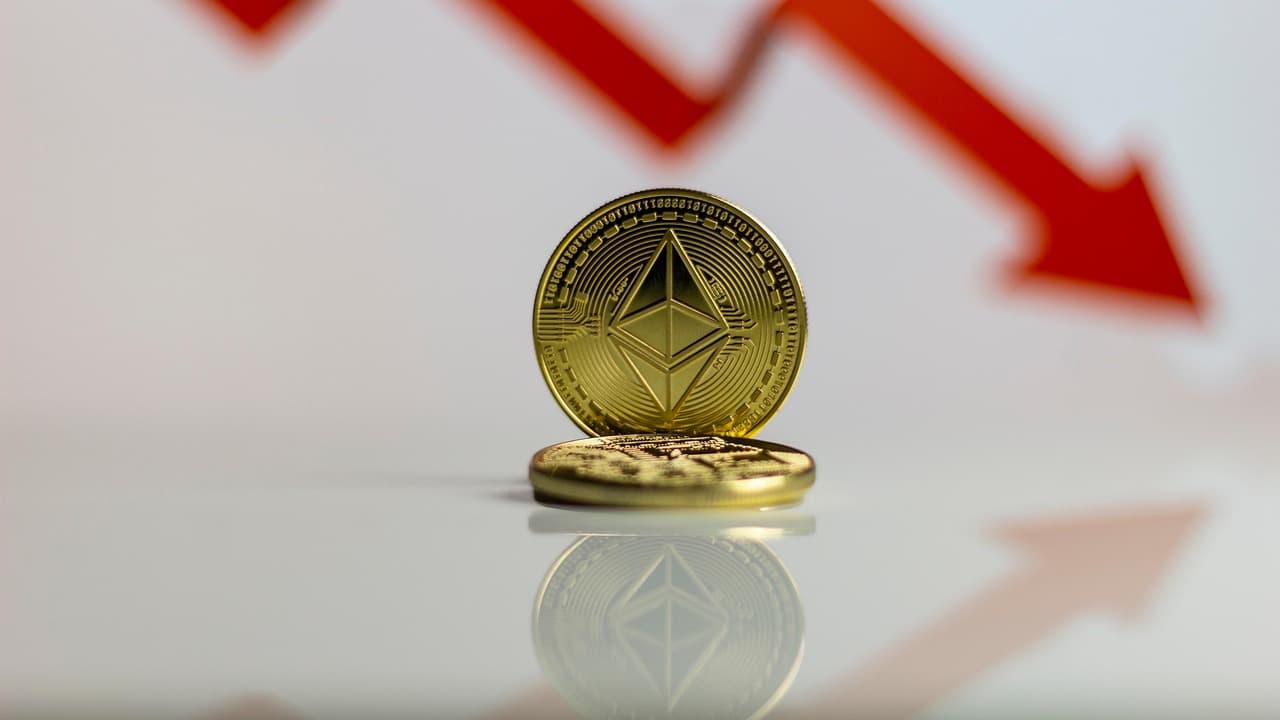
The world of finance is evolving rapidly, with cryptocurrency and traditional finance intersecting in novel ways. This dynamic interplay not only reshapes the financial landscape but also opens doors for innovative solutions and opportunities.
Understanding the Convergence
Cryptocurrency started as a niche interest for tech enthusiasts and has since grown to be a significant player in the global financial ecosystem. The Great Convergence, as it's often called, represents the blending of traditional financial institutions with decentralized digital currencies. This transformation is not just about technology but also about adapting regulatory frameworks, financial instruments, and the expectations of a global market.
Catalysts Driving the Convergence
Regulatory Changes: Worldwide, regulators are recognizing the potential of cryptocurrencies and are crafting policies to integrate them into the existing financial systems. This regulatory recognition provides a signpost for institutional acceptance.
Technological Advancements: Blockchain technology enhances resilience, transparency, and accessibility across diverse financial services, fostering mutual interest from banks and digital-native platforms.
Market Demand: As more people invest in cryptocurrencies, traditionally conservative financial institutions see the economic potential, encouraging a closer examination of how they can partake in this lucrative market.
Implications of Integration
Financial Inclusion: Cryptocurrencies promise to deliver financial services to underbanked populations, with faster and cheaper transaction methods.
Investment Opportunities: There's an increased interest in tokenized securities and digital asset management, expanding the horizons for portfolio diversification.
Risk and Security: While the advantages are manifold, risks due to volatility and cybersecurity threats persist. Comprehensive strategies are necessary to mitigate potential downsides.
Conclusion
The fusion of cryptocurrency and traditional finance signals a pivotal evolution in global markets. As these sectors continue to merge, they pave the way for more inclusive, efficient, and innovative financial solutions. It is an exciting time for investors, institutions, and consumers who stand at the forefront of this financial revolution.