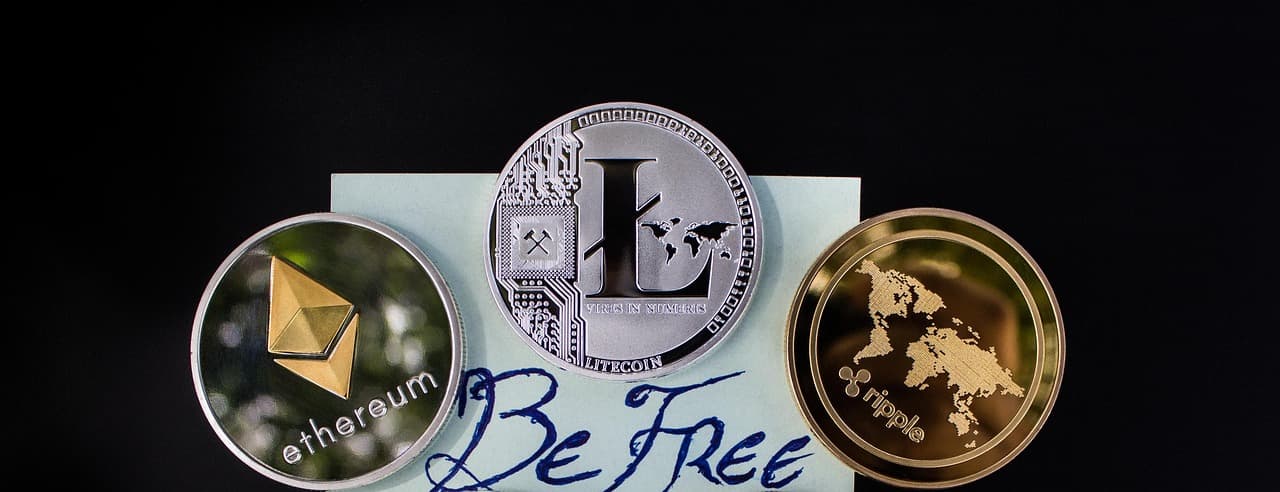
The Rise of Cryptocurrency: Integrating Tradition and Innovation
Cryptocurrency has been at the forefront of financial discussions for over a decade, challenging traditional finance systems with decentralized principles. As digital assets become more ingrained in our economic fabric, they represent not just a technological innovation but an evolution of how value is exchanged globally. Today, we'll explore the future of cryptocurrency and its integration with traditional finance.
Cryptocurrency's Growing Influence
Cryptocurrencies, particularly Bitcoin, have moved from niche markets to significant components of global finance. With the rise of smart contracts and blockchain technology, these digital assets are revolutionizing everything from supply chain logistics to international remittances.
Institutional Adoption: More than Speculation
- Pension Funds and Crypto: Institutions, like pension funds, are beginning to view cryptocurrency as a legitimate asset class. Japan's National Business Corporate Pension Fund plans a 1% allocation by 2026, indicating a shift in investment strategies.
- Regulatory Frameworks: Governments worldwide are working on creating conducive regulatory environments for crypto, which is crucial for institutional confidence and adoption.
Challenges in Bridging the Gap
While cryptocurrencies offer several advantages, including transparency and reduced transaction costs, their volatility poses significant challenges to traditional financial systems.
Liquidity Concerns
- Stablecoin Dynamics: The emergence of stablecoins like Sweden's Swedish krona token highlights a demand for stability within the volatile crypto market. However, liquidity in dollars often overshadows other currencies, which may slow broader adoption.
Technological Integration
- Interoperability: For cryptocurrencies to function alongside traditional finance, seamless technological integration is essential. Projects are underway to ensure blockchain platforms can communicate with existing financial infrastructure.
The Future Outlook
As we look ahead, several trends emerge that could shape the future of cryptocurrency and traditional finance.
Tokenized Assets
- Real Assets on Blockchain: The tokenization of assets, such as real estate or commodities, could become mainstream, allowing fractional ownership and enhanced liquidity.
DeFi and Financial Inclusion
- Democratizing Finance: Decentralized finance (DeFi) promises to provide financial services to the unbanked and underbanked populations, leveraging blockchain's transparency and security.
Conclusion
The financial ecosystem is on the brink of significant transformation. As cryptocurrencies continue to gain prominence, their integration with traditional financial systems will define the future of both sectors. The challenge lies in balancing innovation with stability, creating a harmonious financial symbiosis that can bridge the divides of old and new. The journey has just begun, and the world will watch intently as digital and traditional financial realms converge.