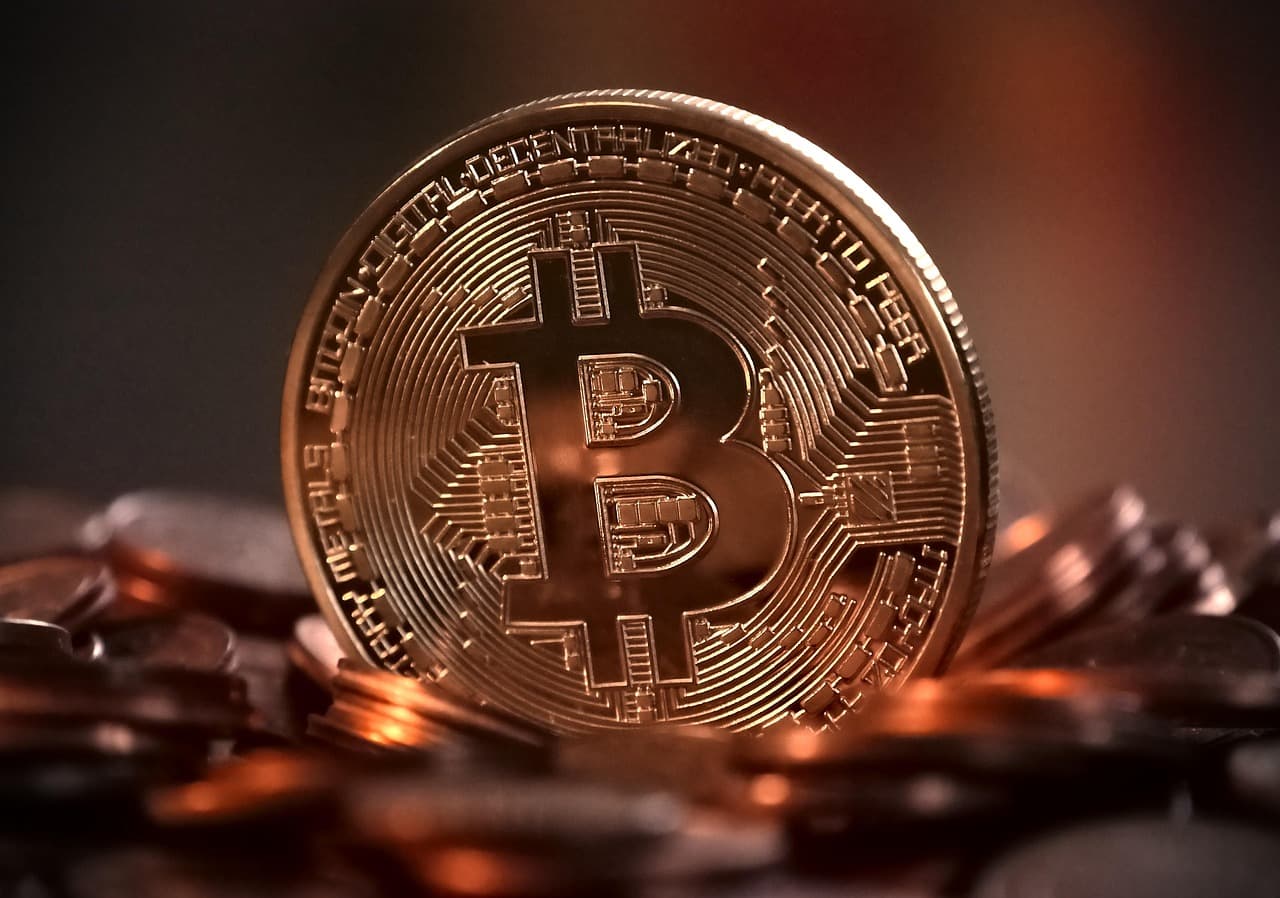
In the fast-evolving world of finance, cryptocurrency remains at the forefront of innovation, investment, and regulation. As countries grapple with how to manage this asset class, regulatory measures dramatically influence not only the markets but also the perceptions and behaviors of investors. This article explores the multifaceted impacts of government actions on cryptocurrency, paying particular attention to recent sanctions, market reactions, and future implications.
Understanding Cryptocurrency Regulation
Cryptocurrency operates in a decentralized environment, which is one of its most appealing features. However, this very decentralization complicates the regulatory landscape. Governments worldwide have responded with varied approaches-some encouraging adoption and innovation, while others impose stringent regulations to curb illicit activities.
Key Regulatory Frameworks
Different countries have taken various stances on cryptocurrency regulation:
- United States: The U.S. Treasury has imposed sanctions on entities deemed to be abusing cryptocurrencies for money laundering, as seen with North Korean bankers accused of laundering funds linked to cyberattacks. This not only affects those directly involved but sends a chilling message across the industry.
- European Union: The EU aims to provide clear frameworks for digital assets, balancing innovation with necessary safeguards against fraud and financial crime.
- Asia-Pacific: Countries like China have outright banned crypto trading, whereas others like Japan are establishing a regulatory framework that can deliver consumer protection without stifling growth.
Case Study: U.S. Sanctions on North Korean Bankers
On November 4, 2025, the U.S. Treasury announced significant sanctions targeting North Korean bankers involved in cryptocurrency laundering operations linked to cyberattacks. This regulatory action highlights the intersection of geopolitics and digital finance, showcasing how nations utilize financial regulations as tools against perceived threats.
Effects on the Cryptocurrency Market
Following such sanctions, immediate market reactions typically follow. Investors often respond to regulatory announcements with volatility; uncertainty can lead to rapid changes in cryptocurrency prices. For instance, after the announcement of the sanctions against North Korean entities, we witnessed temporary declines in major cryptocurrencies as investors anticipated larger market implications and potential for increased regulation.
The Ripple Effects on Investor Confidence
Regulatory actions can influence investor confidence dramatically. On the one hand, stringent regulations might deter new entrants to the market worried about compliance and legality. On the other hand, a regulatory framework can enhance credibility: as laws safeguard consumers, they could lead to broader acceptance and adoption of cryptocurrencies as legitimate investment vehicles.
Future Implications
As governments continue to develop and enforce regulatory policies, it’s crucial for stakeholders-including investors, developers, and policymakers-to engage with and adapt to these changes. The ongoing dialogue between cryptocurrency proponents and regulators will shape the future landscape of this asset class. The balance governments strike between innovation and regulation may significantly influence the speed and nature of cryptocurrency adoption globally.
Conclusion
Regulatory actions represent both challenges and opportunities in the cryptocurrency markets. Understanding these orbits of influence helps investors navigate an increasingly complex financial universe. While sanctions like those imposed on North Korean entities emphasize the need for vigilance, they also illuminate the intricate ties between governmental actions and market dynamics. As we move forward, the interplay between regulation and cryptocurrency will likely continue to shape the future of finance as we know it.