A turning point for digital assets
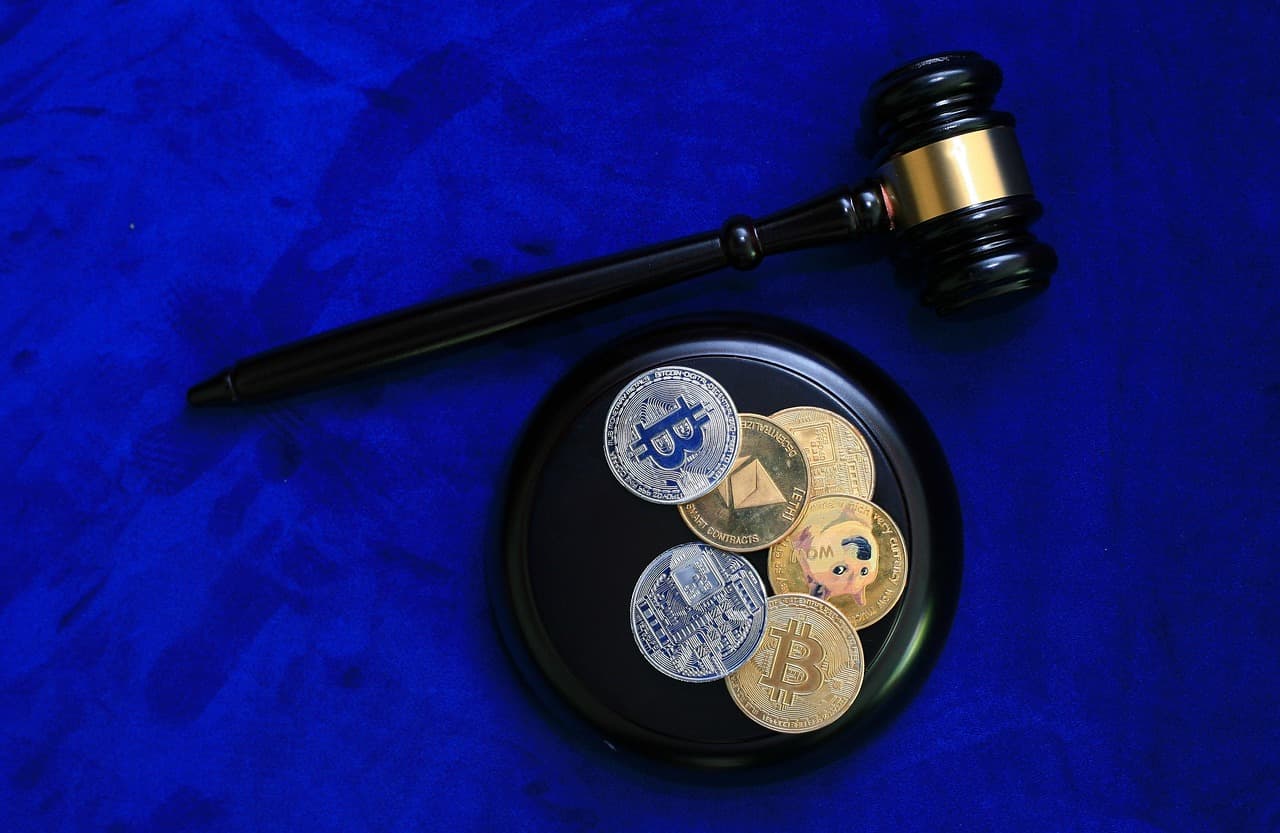
2025 is shaping up as the year crypto grows up. Around the world, lawmakers and market leaders are no longer debating whether digital assets matter. They are deciding how to fit them into the global financial system. Ghana has passed legislation that recognizes crypto activity and brings virtual asset service providers into a supervised framework. In the United States, lawmakers are pushing to modernize tax rules for stablecoins and everyday digital transactions. On Wall Street, the largest banks are preparing institutional crypto trading and building blockchain rails for tokenized assets.
This convergence of regulation and institutional participation is not accidental. It is the result of a decade of lessons, from early exchange failures to the rapid rise of stablecoins and on-chain finance. The next phase will be shaped by compliance, transparency, and practical use cases like payments, settlement, and collateral.
Why regulation is arriving now
The regulatory shift is driven by clear incentives for governments, businesses, and citizens.
Key drivers of regulatory momentum
- Consumer protection: Policymakers want clear rules that reduce fraud, protect users, and set standards for custody and disclosures.
- Tax clarity: Ambiguous tax treatment slows adoption. Clear rules for small transactions, staking, and mining remove friction.
- Global competitiveness: Countries see fintech innovation, jobs, and capital formation migrating to jurisdictions with clear crypto rules.
- Payment efficiency: Stablecoins and tokenized deposits can settle near instantly, lowering costs for remittances and trade.
- Data transparency: Public blockchains offer auditable trails. With the right privacy safeguards, regulators can monitor risks without stifling innovation.
Institutions are building the rails
Large financial institutions are entering digital assets in a measured way. Expect initial offerings for vetted clients, robust risk controls, and strict compliance.
What institutional crypto trading looks like
- Spot and derivatives access: Banks and brokers will provide access to spot markets along with futures and options for hedging.
- Qualified custody: Assets are stored with regulated custodians using segregation, cold storage, and insurance.
- Best execution and surveillance: Trading programs include venue benchmarking, transaction cost analysis, and market abuse detection.
- On-chain settlement pilots: Tokenized money market funds, bonds, and collateral are tested on public and permissioned chains to reduce settlement risk.
- Compliance by design: KYC, AML, and travel rule obligations are embedded into onboarding and transaction workflows.
Institutions are not trying to replicate every retail use case. They are targeting areas where blockchain delivers measurable improvements: real-time settlement, collateral mobility, and programmable finance.
National policy wave: lessons from Ghana
Ghana’s move to legalize and supervise virtual asset services signals a broader trend in emerging markets. Clear licensing and oversight enable responsible innovation while curbing scams.
Why Ghana’s approach matters
- Regulatory certainty: Entrepreneurs and banks can build with confidence when rules are known.
- Remittances and MSMEs: Cheaper cross-border payments help small merchants and families who rely on remittance flows.
- Regional leadership: Clear rules can attract talent and investment, turning Ghana into a regional digital finance hub.
- Public-private collaboration: Central bank oversight plus industry standards help align innovation with financial stability.
Stablecoins at the checkout counter
Stablecoins have already transformed crypto markets by providing a reliable quoting and settlement asset. The next frontier is mainstream payments. Proposed tax changes that clarify de minimis thresholds and the treatment of stablecoin transactions could unlock everyday use cases.
What tax clarity could enable
- Micropayments: Low-value transactions become practical when tax reporting is simplified.
- Payroll and benefits: Salaries, bonuses, and expense reimbursements can settle faster with stablecoins.
- B2B settlement: Invoices and supplier payments gain speed and predictable cash management.
- Cross-border commerce: Merchants can reduce FX spread costs and reconcile faster with programmable invoices.
Risks have not disappeared
Crypto remains volatile. Market cycles will continue, and institutions must plan for stress scenarios. The lessons from early exchange failures still apply.
Persistent risk considerations
- Counterparty risk: Vet exchanges, brokers, and custodians for capitalization and controls.
- Operational risk: Smart contract bugs, key management failures, and oracle issues need rigorous review.
- Liquidity risk: Thin markets can widen spreads dramatically during volatility.
- Regulatory risk: Rules will evolve. Firms must monitor changes across jurisdictions and adjust policies.
What this means for investors and builders
Regulation and institutional adoption will not eliminate crypto’s open, experimental character. Instead, they will create a more reliable foundation. Builders who embrace compliance and user protection will find new markets. Investors who prioritize custody, diligence, and diversification will be better positioned for long-term outcomes.
A practical roadmap for the next 12 months
- Assess jurisdictional fit: Choose countries with clear licensing for your business model or portfolio exposure.
- Implement custody tiers: Separate long-term cold storage from operational wallets and define access policies.
- Prioritize stablecoin policy alignment: Ensure treasury and payments policies match tax guidance and accounting rules.
- Adopt on-chain reporting: Use tools that generate audit-ready transaction logs and proof of reserves where applicable.
- Engage regulators early: Participate in sandboxes and consultations to shape workable rules.
The path forward
Crypto is moving from experimentation to integration. Regulation is catching up, institutions are building, and real-world use cases are emerging. The winners will be those who bridge both worlds: they will leverage the transparency and programmability of blockchains while meeting the security, compliance, and service standards of global finance.
Action checklist for teams
- Define your compliance perimeter: Map activities to licenses, reporting, and oversight requirements.
- Choose stablecoin standards: Evaluate reserve quality, issuer governance, and chain support before integration.
- Automate controls: Implement policy engines for address screening, transaction limits, and dual approvals.
- Design for resilience: Plan for outages, chain congestion, and market stress with runbooks and backups.
- Educate stakeholders: Train executives, vendors, and customers on custodial models and risk disclosures.
The new crypto order is not about abandoning the ethos of open networks. It is about making that ethos durable, accountable, and usable at scale. With clearer rules and stronger rails, digital assets can finally deliver on their promise of faster, safer, programmable finance.