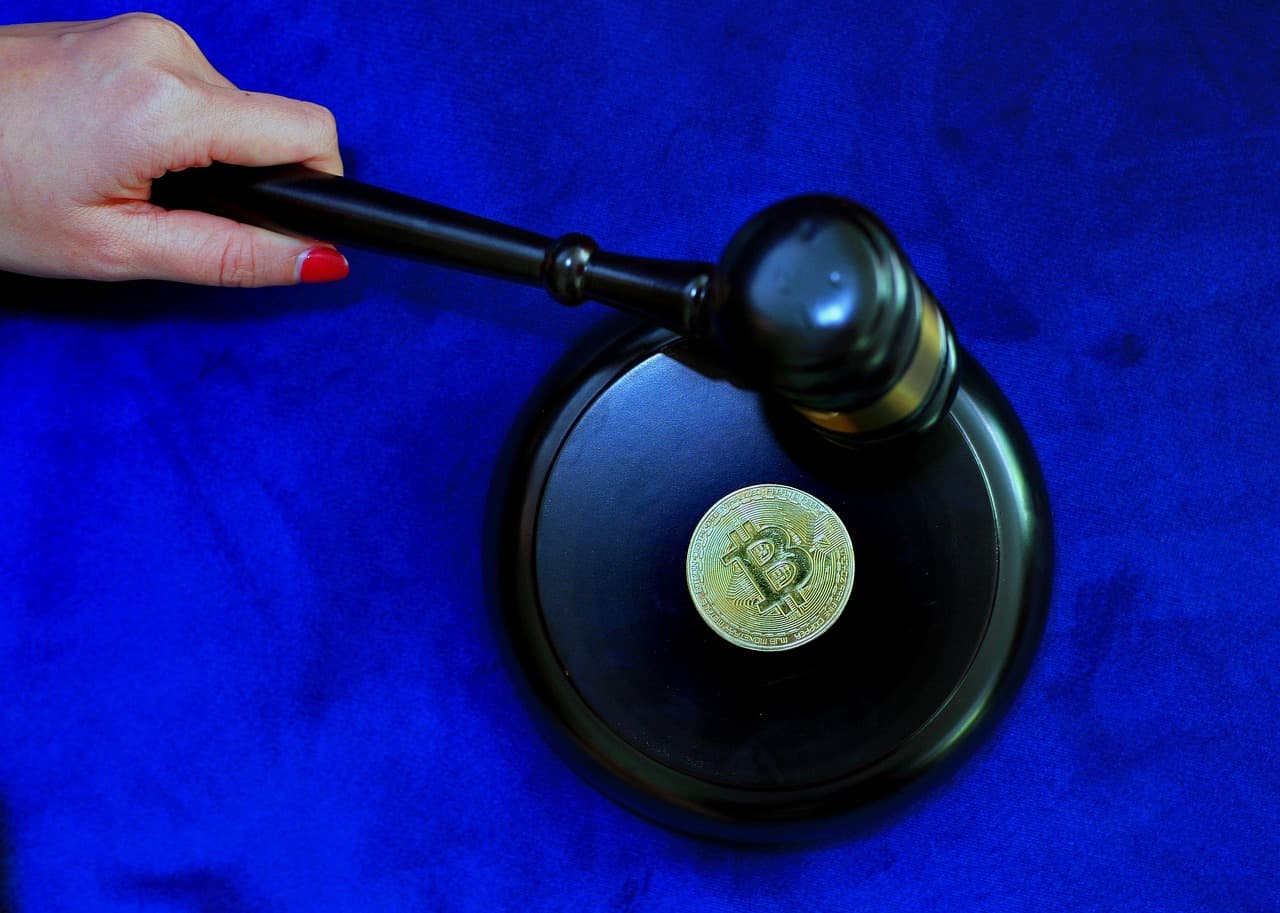
Introduction
The cryptocurrency market is dynamic, ever-changing, and growing at a fast pace. As digital currencies integrate more deeply into the global economic framework, regulatory oversight has become a central subject of discussion. The need for regulation has gained gravitas as governments worldwide strive to balance innovation and security.
Why Regulation Matters
Regulation in the cryptocurrency space aims to create a structured and legal environment in which digital currencies can thrive. Without rules and guidelines, the space could witness rampant fraud, excessive volatility, and significant consumer risks. Investor Protection: Regulation helps protect investors against malicious practices. It ensures transparency and fair dealings.
Market Stability: Comprehensive rules provide a framework that can stabilize the extremely volatile nature of cryptocurrencies, making them a more reliable investment.
Innovation Encouragement: By setting boundaries, regulations can also foster innovation, driving new business models in the crypto space that abide by legal standards.
Global Regulation Trends
Different countries are making strides to regulate cryptocurrencies, each taking varied approaches. From tax policies to trading licenses, nations are contributing to a mosaic of global crypto regulation.
United States: The U.S. has adopted a cautious approach with the CLARITY Act aiming to define regulatory obligations precisely.
Europe: The MiCA framework is Europe's ambitious project to regulate digital assets, though challenges have slowed progress.
Asia: Countries like Dubai aim to be crypto hubs, rolling out new licensing frameworks to spur growth.
Challenges to Regulation
While regulation can bring order, there are considerable challenges:
Harmonization: A lack of international coordination could lead to a fragmented regulatory landscape, which could potentially stifle global cooperation and innovation.
Adaptability: The crypto market is fast-paced and ever-evolving, meaning laws can become outdated relatively quickly.
Implementation: Varying levels of digital literacy and infrastructure make consistent and effective enforcement difficult.
Conclusion
In the future, effective regulation will likely play a pivotal role in the maturation of the cryptocurrency sector. For sustainable growth, a balance must be struck-one where regulations protect the market without stymying innovation.