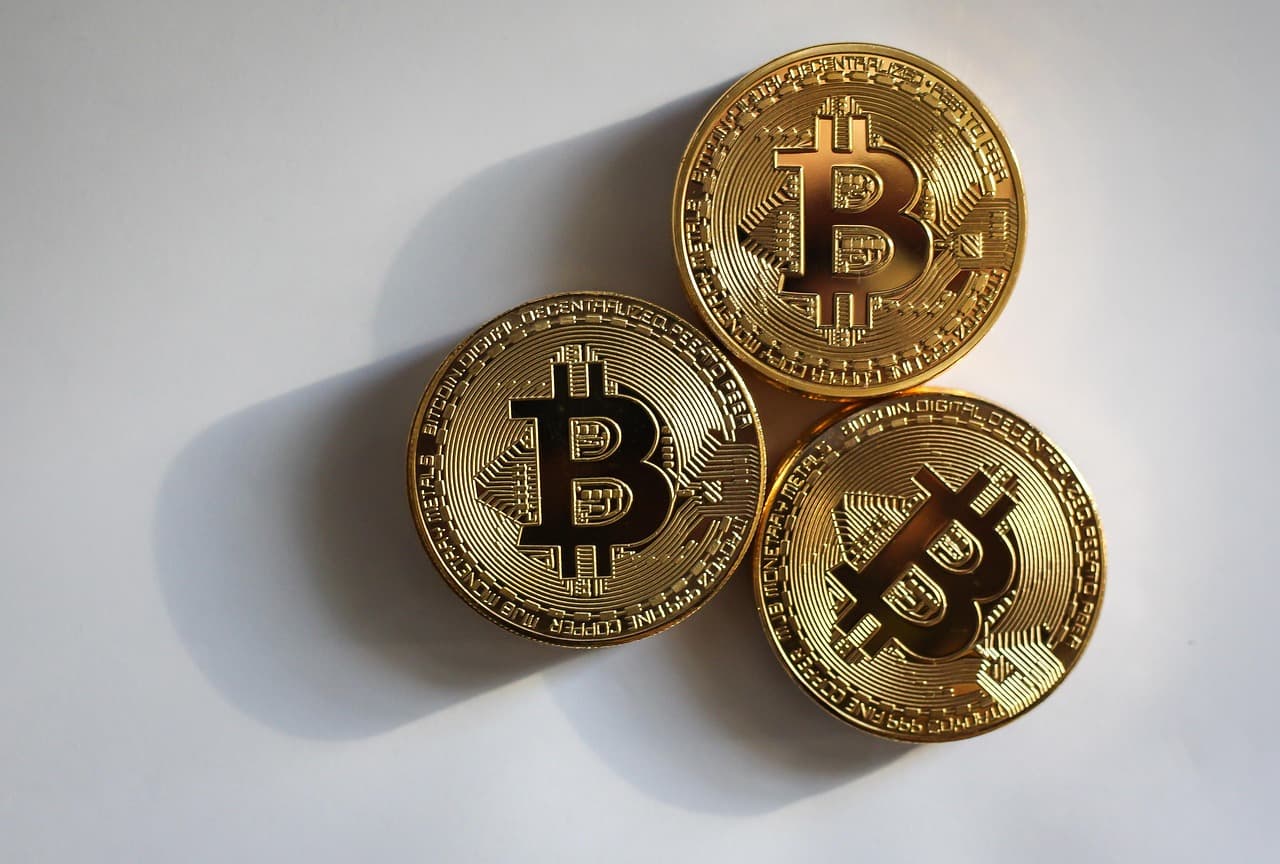
Tokenization Is Not Just a Buzzword
Tokenization is often introduced with a sweeping claim: everything will be on-chain. A better approach is to ask a narrower question: what parts of finance benefit most when assets become programmable and settlement becomes faster?
The tokenization “race” is heating up because multiple pieces are arriving at the same time:
- stablecoins that can function as cash-like settlement n- crypto ETFs that broaden access and integrate with familiar investment channels
- infrastructure improvements in custody, compliance, and market surveillance
Put together, these elements can rewire how savings and capital move, not necessarily overnight, but in practical steps.
What Tokenization Means in Plain Terms
Tokenization is the representation of an asset, or a claim on an asset, as a digital token that can be held and transferred under defined rules.
Tokenization can apply to
- Cash-like instruments: tokenized deposits or stablecoins
- Funds: tokenized shares of a fund or portfolio
- Real-world assets: bonds, invoices, real estate interests
- Native crypto assets: tokens already issued on-chain
The real value is not the token itself, but what it enables: faster settlement, improved transparency, and automation of operational processes.
Why Investors Should Care
From an investor’s perspective, tokenization could change market access, settlement speed, and product design.
Potential benefits
- Faster settlement: reduced time between trade and final ownership transfer.
- 24-7 markets: some tokenized products may trade beyond traditional hours.
- Fractional ownership: smaller minimums can widen access.
- Programmable compliance: transfer restrictions can be embedded for regulated products.
Potential drawbacks
- Fragmented liquidity: too many venues can thin out market depth.
- Operational complexity: keys, wallets, and smart contract risk add new failure modes.
- Regulatory uncertainty: unclear rules can restrict distribution.
Tokenization can improve efficiency, but it also introduces new infrastructure requirements.
The Role of Stablecoins: Settlement That Matches Token Speed
Tokenized assets need a settlement asset that moves as fast as the tokens. Stablecoins often play that role.
Why stablecoins pair well with tokenization
- Atomic exchange potential: assets and payment can swap in one coordinated process.
- Global reach: stablecoins can settle across borders with fewer intermediaries.
- Operational integration: stablecoins can plug into treasury and trading systems.
But settlement reliability depends on stablecoin quality, redemption mechanisms, and regulatory oversight.
ETFs and the “Outside In” Adoption Path
A major theme in digital finance is that adoption may come from the outside in. Instead of every investor moving to on-chain wallets, familiar wrappers like ETFs can bring exposure through existing brokerages and retirement accounts.
Why ETFs matter in the tokenization era
- Distribution: investors can access exposure without learning on-chain tooling.
- Compliance: ETFs operate within established regulatory frameworks.
- Liquidity: market makers and exchanges provide familiar trading mechanisms.
ETFs do not tokenize assets by themselves, but they can normalize crypto allocation and accelerate institutional involvement. That involvement can, in turn, fund tokenization infrastructure.
What Gets Tokenized First: A Realistic Order
Not every asset class benefits equally from tokenization on day one. The early winners are typically those with high operational friction or slow settlement today.
Likely early tokenization targets
- Short-duration instruments: where settlement and collateral efficiency matter.
- Private funds and private credit: where transfers and reporting can be costly.
- Collateral workflows: where speed reduces counterparty risk.
- Cross-border instruments: where multiple intermediaries add delay.
Public equities are not impossible to tokenize, but they already have mature infrastructure. The bar for improvement is higher.
The Hidden Work: Custody, Compliance, and Market Structure
Tokenization is not just “put it on a blockchain.” The hard part is aligning technical capability with legal enforceability and user protection.
Infrastructure that must mature
- Custody standards: segregation, audits, recovery processes.
- Identity and permissions: who can hold, transfer, or redeem regulated tokens.
- Disclosures: clear terms about what token holders actually own.
- Governance: how upgrades and disputes are handled.
- Resilience: incident response for smart contract bugs or operational failures.
Without these, tokenization can amplify risk rather than reduce it.
How Tokenization Could Change Portfolio Construction
If tokenized products expand, investors may see new ways to build diversified portfolios.
What could become easier
- Rebalancing: automated rules-based allocation across tokenized funds.
- Collateralization: using tokenized holdings as collateral in regulated contexts.
- Access to alternatives: smaller minimums for certain private market exposures.
However, investors should separate product innovation from underlying risk. A tokenized credit product is still credit risk. A tokenized real estate share is still real estate risk.
A Checklist for Evaluating Tokenized Products
If you encounter a tokenized investment, treat it like any financial product: understand structure, counterparties, and risk.
Due diligence questions
- What is the legal claim: equity, debt, fund share, or a contractual right?
- Who is the issuer: regulated entity, special purpose vehicle, or protocol?
- How does redemption work: timing, fees, and conditions.
- Where is it traded: exchange, ATS-like venue, or peer-to-peer?
- What are the risks: smart contract, custody, liquidity, and regulatory.
Answering these questions matters more than the technology label.
Closing: Tokenization Is Finance Learning to Move Like Software
The tokenization race is ultimately a competition to build better financial plumbing. Stablecoins provide cash-like settlement. ETFs expand mainstream access. Tokenized assets offer programmability and efficiency.
The transformation will likely be uneven and incremental, with progress showing up first in areas where current systems are slow, expensive, or operationally cumbersome. For investors, the opportunity is not just in price cycles, but in understanding how market structure changes can reshape access, liquidity, and the cost of moving capital.